

Let's put the FUN back in FUNDING
with FundAI Recommend
FundAI Recommend is a powerful grant recommendation engine that streamlines funding discovery for nonprofits, research institutions, and small businesses. It delivers tailored, accurate, and efficient results!
Find Tailored Grants – Launch FundAI RecommendCrafted from a deep understanding of AI-powered nonprofit grant discovery.
Powered by:






Unlock Tailored Funding Opportunities
With FundAI Recommend, uncover the most relevant grants and funding options tailored to your needs.

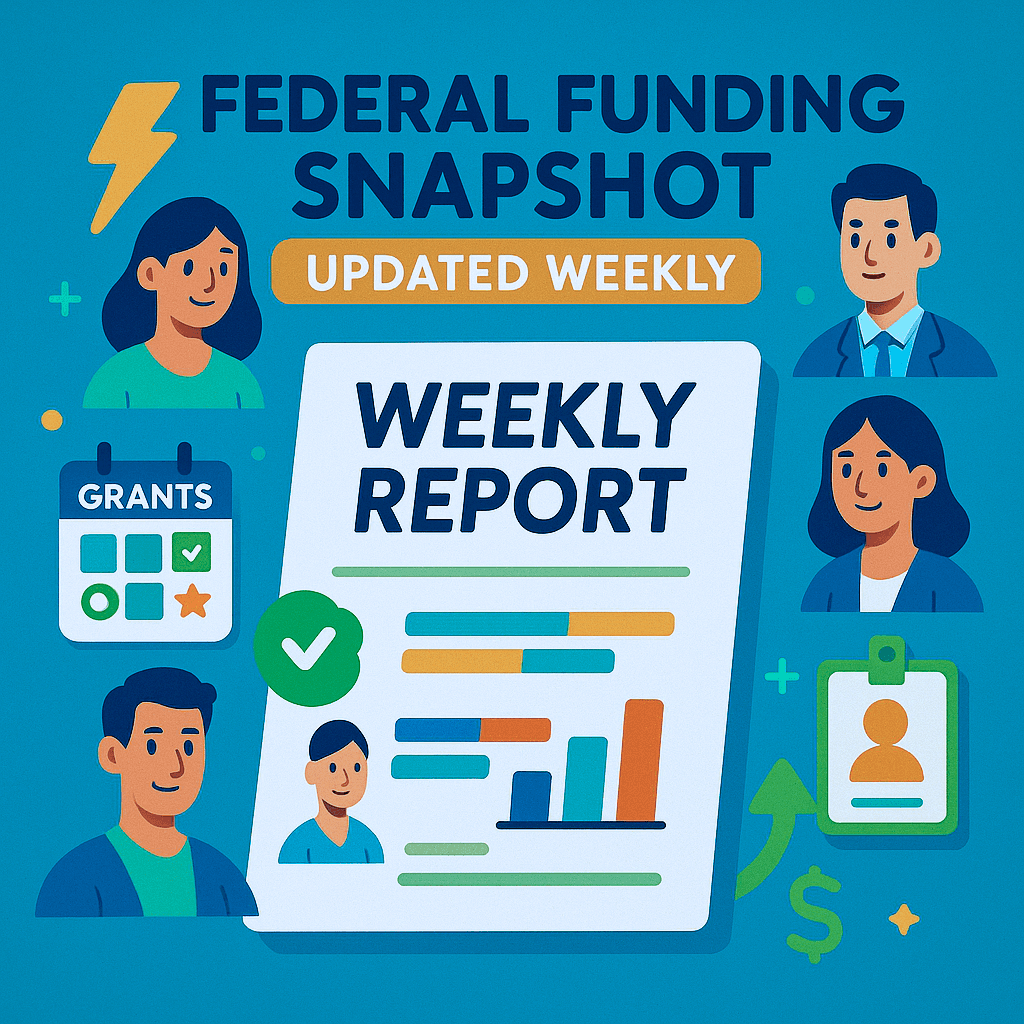
Federal Funding Weekly Snapshot
Ranks top federal grant opportunities by award size, urgency, and accessibility. Includes priority grants, agency trends, low-barrier filters, direct contacts, and visual funding movement.

Advanced Grant Matching
Efficiently match with only the most relevant grants that fit your profile, saving time and increasing your success rate.

Ready-to-Use Prompt Library
Access prompts tailored to each Federal agency's requirements to effortlessly generate compliant drafts for over 100 unique documents, perfectly adapted to your project and avoid common rejection pitfalls

Grant Compliance Checker
Automatically checks if the grants you’re interested in meet your eligibility criteria, ensuring you apply only for those you qualify for.

Grant Readiness Review
AI-driven review to enhance your grant proposal, ensuring your submission is compelling, complete, and ready for approval.

AI-Powered Grant Writer
Leverage AI insights to craft personalized, high-quality proposals that align with specific grant requirements, maximizing your chances of success.


Unlock the Right Grants with Ease
Streamline your grant search process with powerful features that help you find the right funding opportunities efficiently.
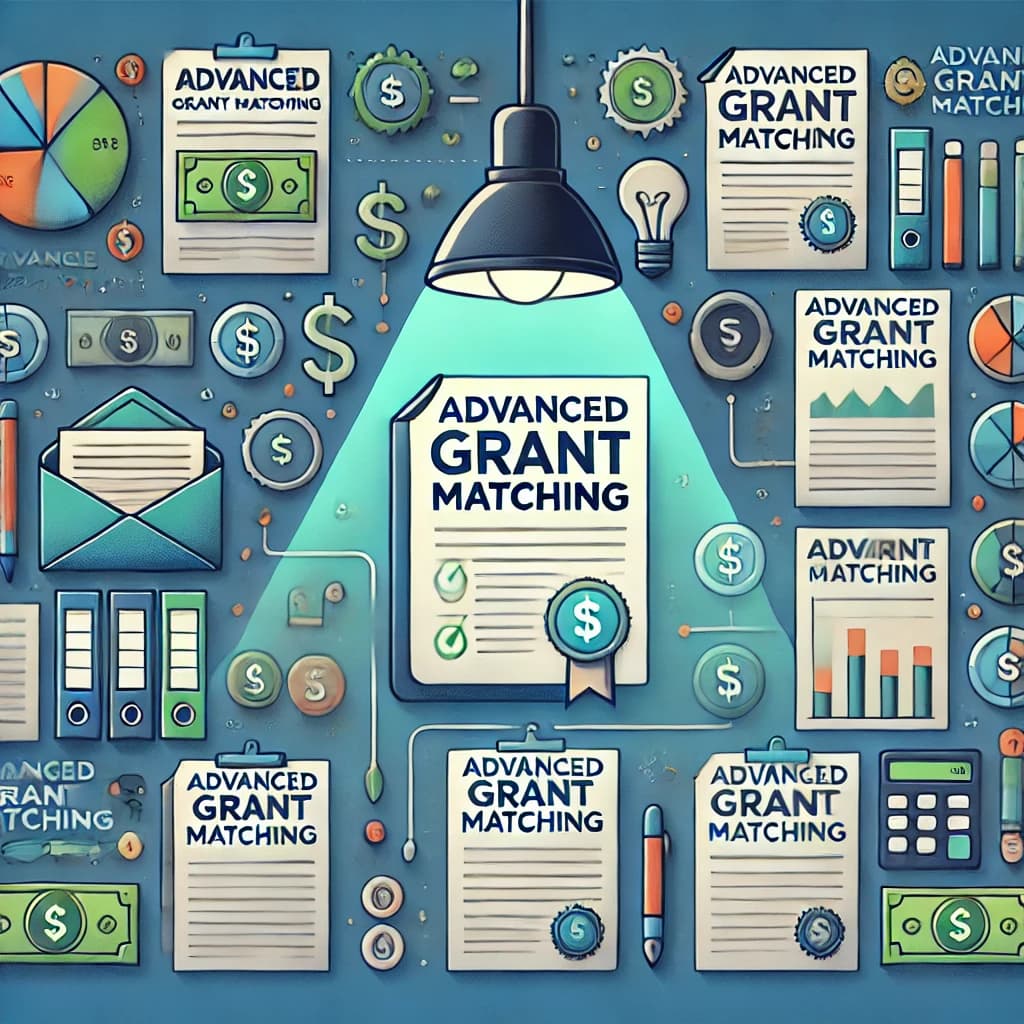
Advanced Grant Matching
Receive precise grant matches based on your unique profile.
- Filter irrelevant grants, focusing on what matters.
- Get high-fit recommendations using advanced algorithms.
- Enjoy personalized guidance to improve eligibility.
User-Friendly Platform
Easily navigate through tailored funding opportunities with an intuitive design that’s simple and effective.
- Clear, easy-to-use interface.
- Comprehensive security to protect your data.
- Access ongoing support for your grant searches.

Federal Funding Snapshot Updated Weekly
A free weekly report built to support nonprofits with fast, clear insight into active federal grants.
- See which grants are active, expiring, or high-value at a glance.
- Scan priority opportunities ranked by award size, urgency, and access.
- Use insights from the report to prompt the Grant Advisor for your best-fit opportunities.
- No profile required — just actionable funding intelligence, freely available.
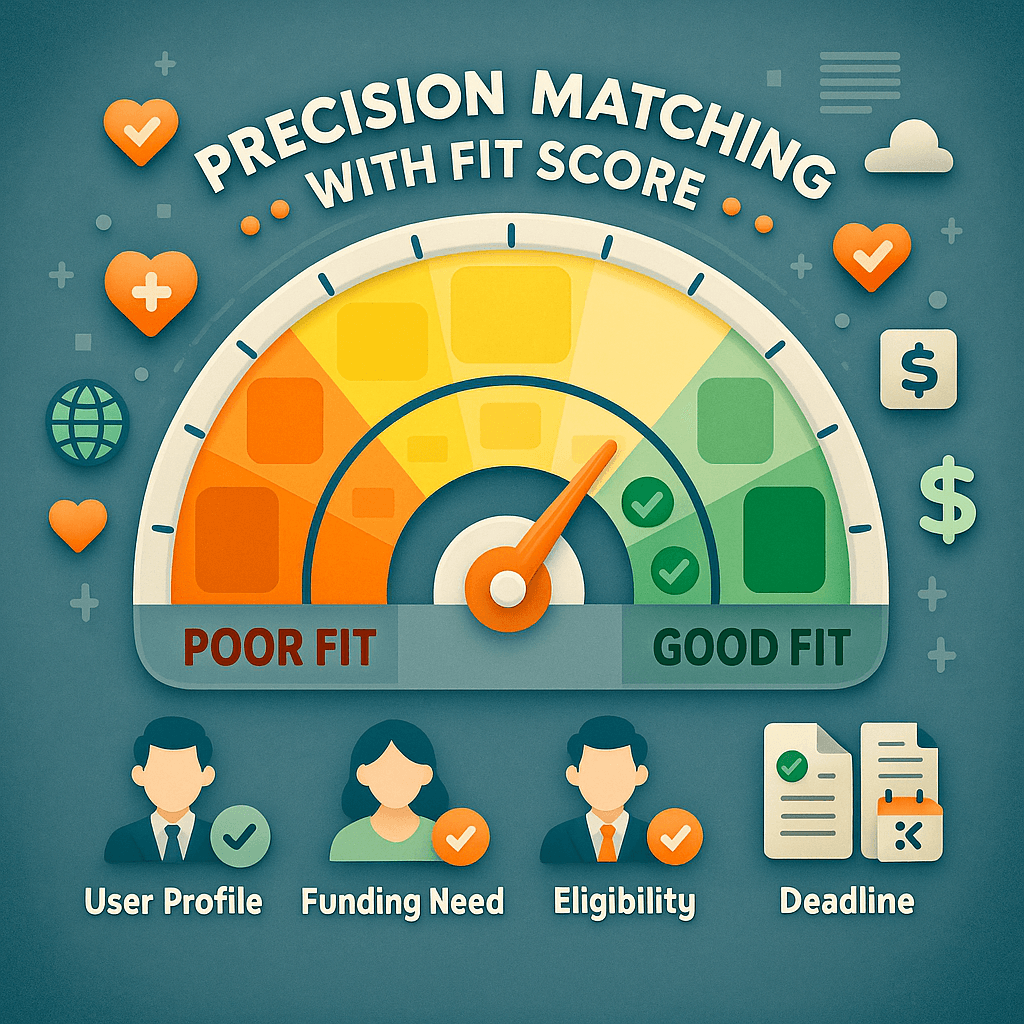
Precision Matching with Fit Score
Use Fit Score to pinpoint your best funding matches based on relevance and alignment.
- Analyzes your profile for top funding matches.
- Uses Fit Score to indicate relevance and alignment.
- Easily spot the most promising grant opportunities.
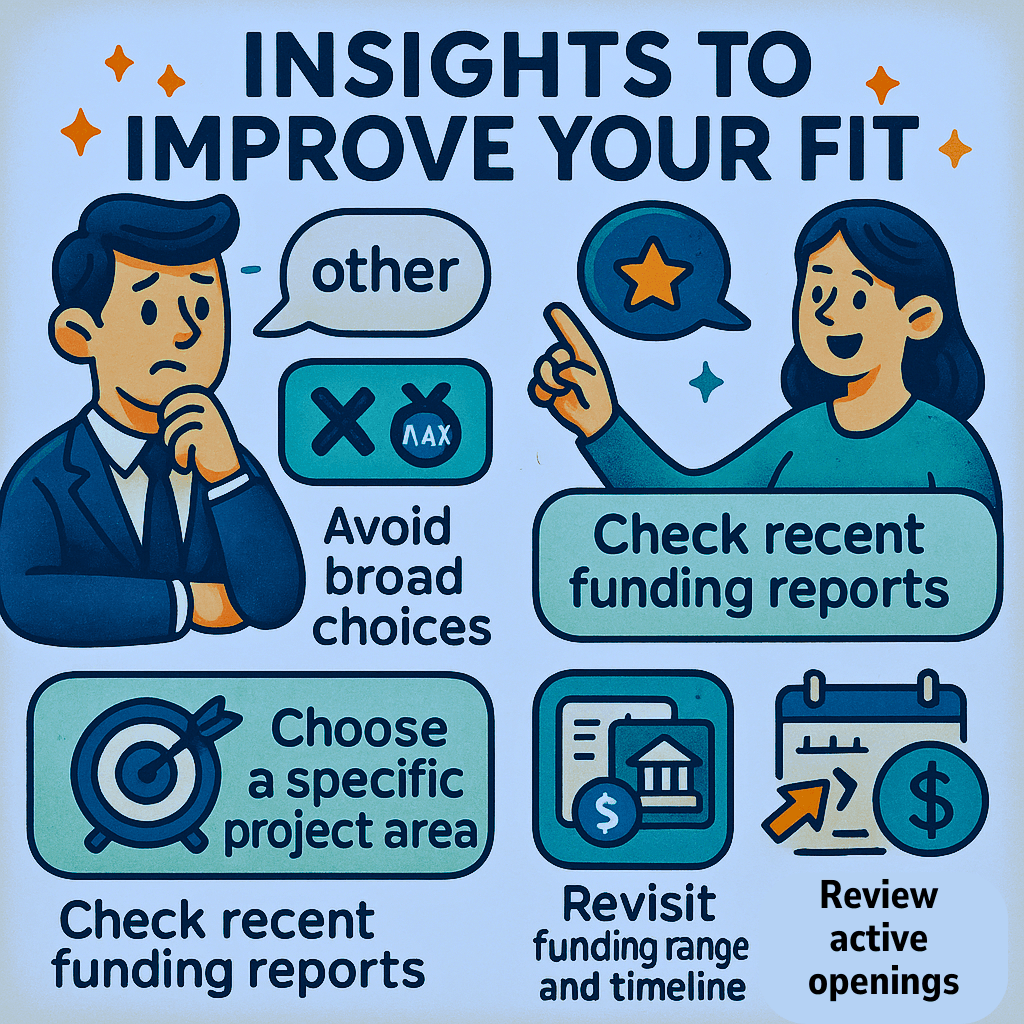
Insights to Improve Your Fit
Didn’t get strong matches? Refine your inputs to surface more relevant opportunities.
- Avoid broad choices like “other” or “maximum funding”.
- Choose a specific project area to reduce noise.
- Check recent funding reports to see active categories and agencies.
- Revisit funding range and timeline to better target real openings.
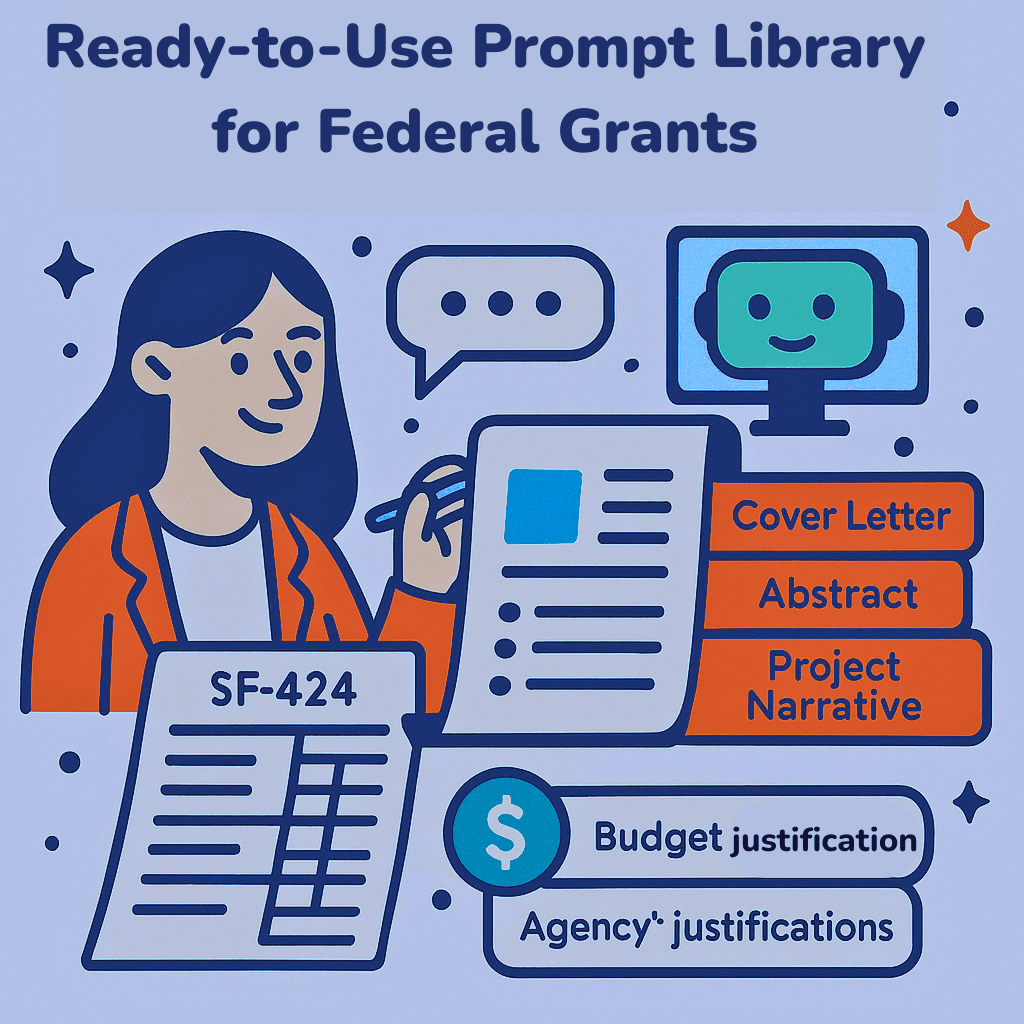
Prompt library for AI-Generated Grant Narratives
Use researched, agency-specific prompts to build your application documents which are compliant, structured, and adapted to your project's unique requirements.
- Personalized outreach email prompts to connect with program officers
- Generate 100+ document types including cover letters, abstracts, and project narratives that meet agency guidelines
- Specialized prompts for standard forms like SF-424 and budget justifications with proper formatting
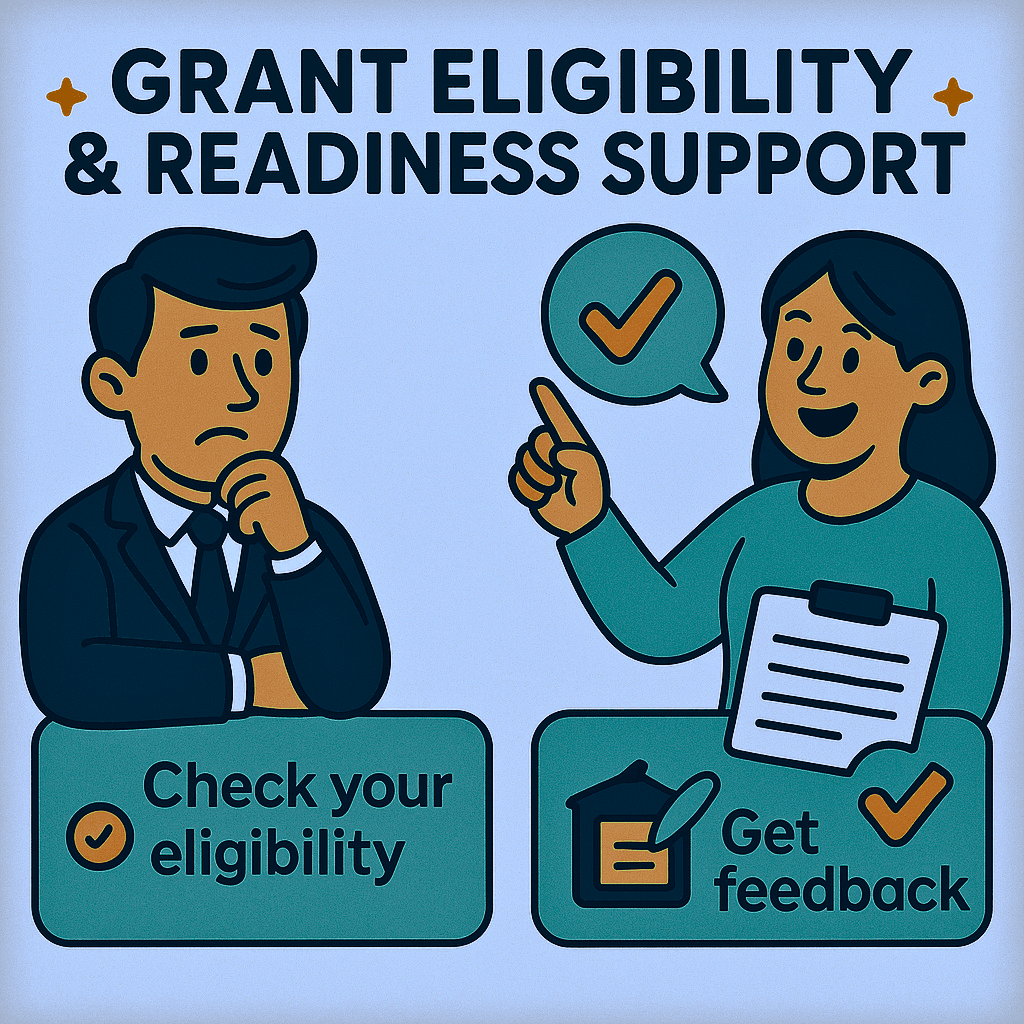
Grant Eligibility & Readiness Support
Need help with eligibility or application readiness? Request a personalized review through the contact form.
- Get clarity on eligibility before investing your time
- Receive detailed feedback on your draft proposal
- Ensure your materials align with agency expectations
Frequently Asked Questions
Find answers to common questions and learn how FundAI Recommend can empower your grant-seeking process.
FundAI Recommend is a free, intelligent grant advisor that asks five key questions and returns relevant federal grant opportunities in a streamlined, conversational format. It cuts through the noise and highlights matches based on your goals, timeline, funding needs, and eligibility.
Nope. FundAI Recommend is completely free to use — no account, no login, and no setup required.
Yes — 100% free. FundAI Recommend was built to support nonprofits, researchers, public servants, and communities. It’s mission-driven, not profit-driven.
Yes. The Grant Advisor helps you understand what grants are, how they work, and how to find opportunities that align with your goals — all through a clear, conversational format.
The Grant Advisor uses your answers to five targeted questions to evaluate eligibility, timing, funding size, and agency alignment — returning only grants that strongly match your criteria, along with clear explanations and alternatives.
Review the Weekly Funding Report before starting — it highlights high-value, expiring, and accessible grants. Use insights from the report to inform your answers and help the Grant Advisor deliver more relevant matches.
The Weekly Report ranks top federal grant opportunities by urgency, award size, and accessibility. Reviewing it regularly helps you ask sharper questions and uncover high-impact matches faster.
Yes. Your personal and organizational data is protected with robust security measures. FundAI Recommend does not store, share, or sell your information — you control what you share.
Through a guided conversation, FundAI Recommend highlights only high-match opportunities — no complex filters, no cluttered dashboards, just results that matter.
The Compliance Checker automatically reviews your profile against each grant's eligibility criteria, helping you avoid applying for grants you don't qualify for. Please use the contact form to request more details or for paid support.
Latest Blogs & News
Discover latest updates and news.
Please use 'Desktop site' for the best experience reading articles. Mobile optimization is currently underway.📊 Strategic Report: Explore Active Federal Grants
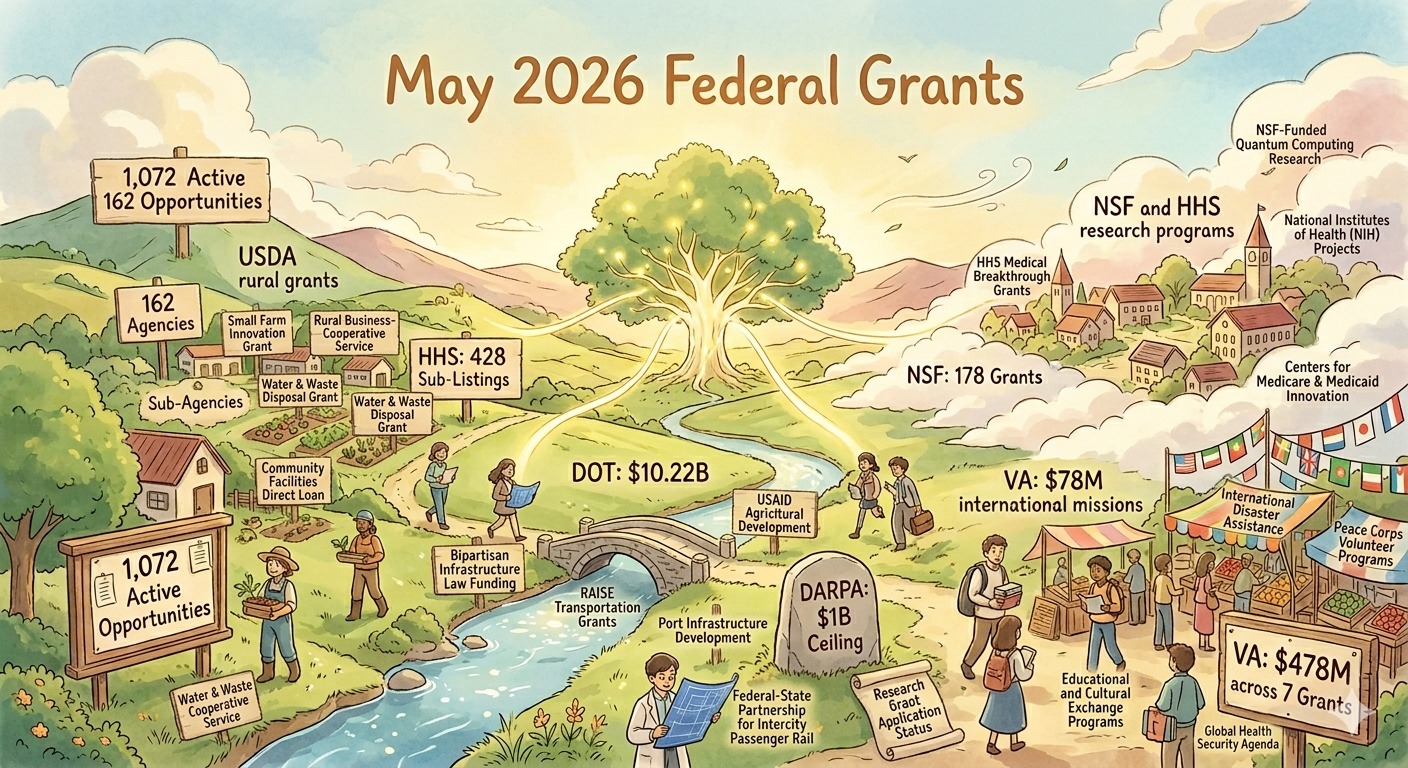
May 3, 2026: From DARPA's Billion-Dollar Ceilings to NIH's Open Research Windows: How 1,072 Federal Grants Are Distributed Across 22 Agencies This Week, and Where Non-Profits, Rural Organizations, and Community Groups Will Find Their Best Odds in a Cycle Dominated by HHS, NSF, and the Department of Transportation's $10 Billion Infrastructure Push
This week's federal grants report identifies 1,072 active funding opportunities across 22 top-level agencies and 162 sub-agency codes. HHS dominates volume with 428 listings, DOT holds the largest fund at $10.22 billion, and DARPA's ceiling grants approach $1 billion. NSF manages 178 grants encouraging early-stage micro-innovation, while DOL manages $6.81 billion across 21 programs and DOE listings average $163 million per ceiling across 15 active listings. DOC mandates consortium models in half its listings, DOT applies cost-share conditions to more than three quarters of its listings, and USDA requires capital matching across more than half its rural grants. VA directs $478 million across just 7 medical research grants, PAMS holds nearly $1 billion across 6 mega-grants, and DHS consolidates $2.19 billion into just 4 listings. DOJ provides direct officer contacts across all 41 of its programs while DOS's 117 listings direct applicants toward 89 verified digital contacts. For non-profits, the most accessible entry points are DOS country-specific mission offices, USDA and DOI program divisions for rural and conservation work, and HHS sub-units NIH and CDC, alongside NEH, ED, and EPA, while DOD's 26 research divisions remain largely restricted to institutional and defense-affiliated partners.
on May 03, 2026 By Asha Tara
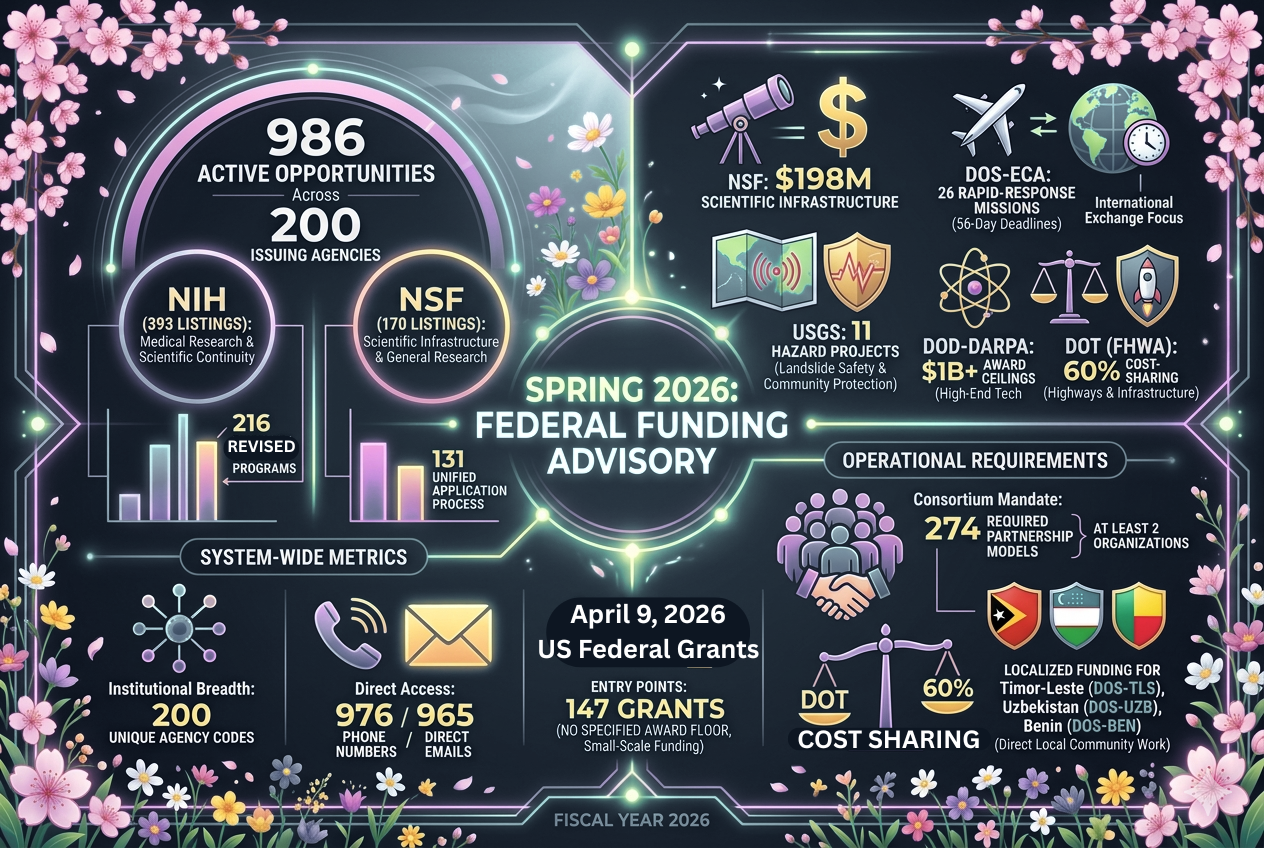
Apr 9, 2026: 986 Opportunities Including 393 NIH and 170 NSF Listings, $198M Scientific Infrastructure, 26 DOS-ECA Rapid-Response Missions, 11 USGS Hazard Projects, $1B+ DARPA Award Ceilings, 60% DOT Cost-Sharing, 274 Required Partnership Models, and Localized Funding for Timor-Leste, Uzbekistan, and Benin
This week’s federal grants report identifies 986 active funding opportunities. The National Institutes of Health (393) and the National Science Foundation (170) provide over half of the total listings, and the NSF manages $198 million in scientific infrastructure. The Bureau of Educational and Cultural Affairs (26) is the most active non-research entity, specializing in rapid-response cultural diplomacy with windows often closing in 56 days, while the US Geological Survey (11) leads the environmental sector by focusing on high-density technical data and landslide hazard mapping. Although the DARPA Defense Sciences Office lists only 2 opportunities, they represent the extreme high-end of the financial scale with award ceilings exceeding $1 billion. The report also highlights localized support through regional missions in Timor-Leste (DOS-TLS), Uzbekistan (DOS-UZB), and Benin (DOS-BEN), which bypass central Washington offices to fund community solutions directly. Regarding structural requirements, 274 opportunities explicitly require consortium or partnership models; this is most prevalent in Department of State and Department of the Interior codes, where project teams must include at least two distinct leads to qualify. Financial obligations vary, as the Federal Railroad Administration and Federal Highway Administration mandate 60% cost-sharing. To facilitate the application process and accessibility, 965 direct email addresses and 976 phone numbers are provided for the listed offices.
on Apr 09, 2026 By Asha Tara
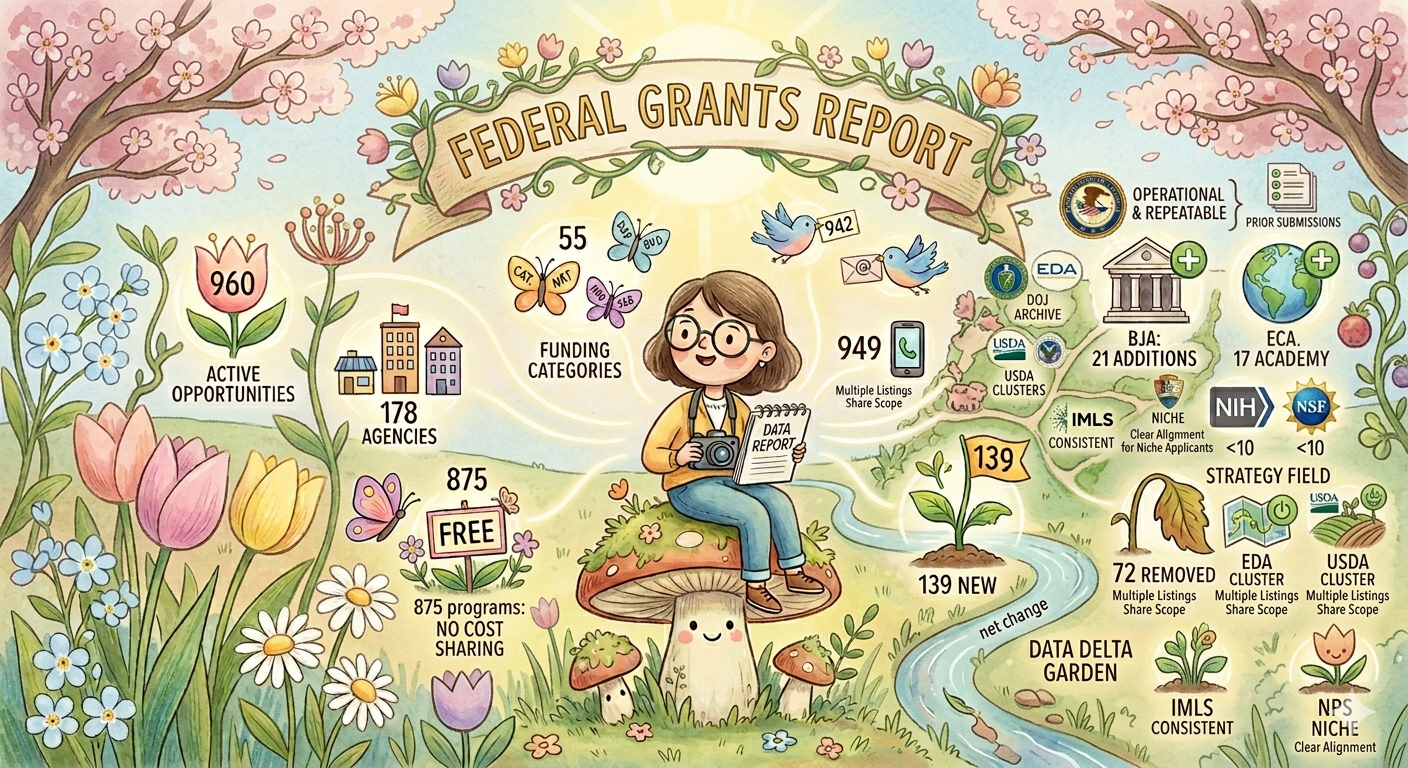
Mar 28, 2026: Federal Grants Report Records 960 Opportunities Across 178 Agencies with 139 New Programs, 72 Removed. Growth is Led by Bureau of Justice Assistance, OJJDP, and Educational and Cultural Affairs Driving Justice, Youth, and International Funding While NIH and NSF Remain Largely Same, Signaling a Shift Toward Operational Agencies and an 8% Weekly System Turnover
This week’s federal grants report contains 960 active opportunities across 178 agencies and 55 funding categories, marking a broader distribution of programs across smaller and mid-sized issuing offices. Contact accessibility continues to strengthen, with 942 listings providing direct email contacts and 949 including phone numbers, enabling consistent communication across agencies. The Maritime Administration and Treasury maintain low-volume, high-impact programs, requiring larger project scale and coordination. Specialized agencies including the Institute of Museum and Library Services and the National Park Service maintain small, highly consistent portfolios, offering clearer alignment for niche applicants. Department of Justice programs remain operational and repeatable, supporting applicants who build on prior submissions rather than starting fresh. There are 139 new opportunities since the last published report on March 11 with 72 removals, and 821 programs unchanged. New listings are concentrated in justice and cultural agencies, led by the Bureau of Justice Assistance (+21) and the Bureau of Educational and Cultural Affairs (+17), while NIH and NSF together add fewer than 10. The change is driven by new agency activity rather than expansion within existing portfolios.
on Mar 28, 2026 By Asha Tara
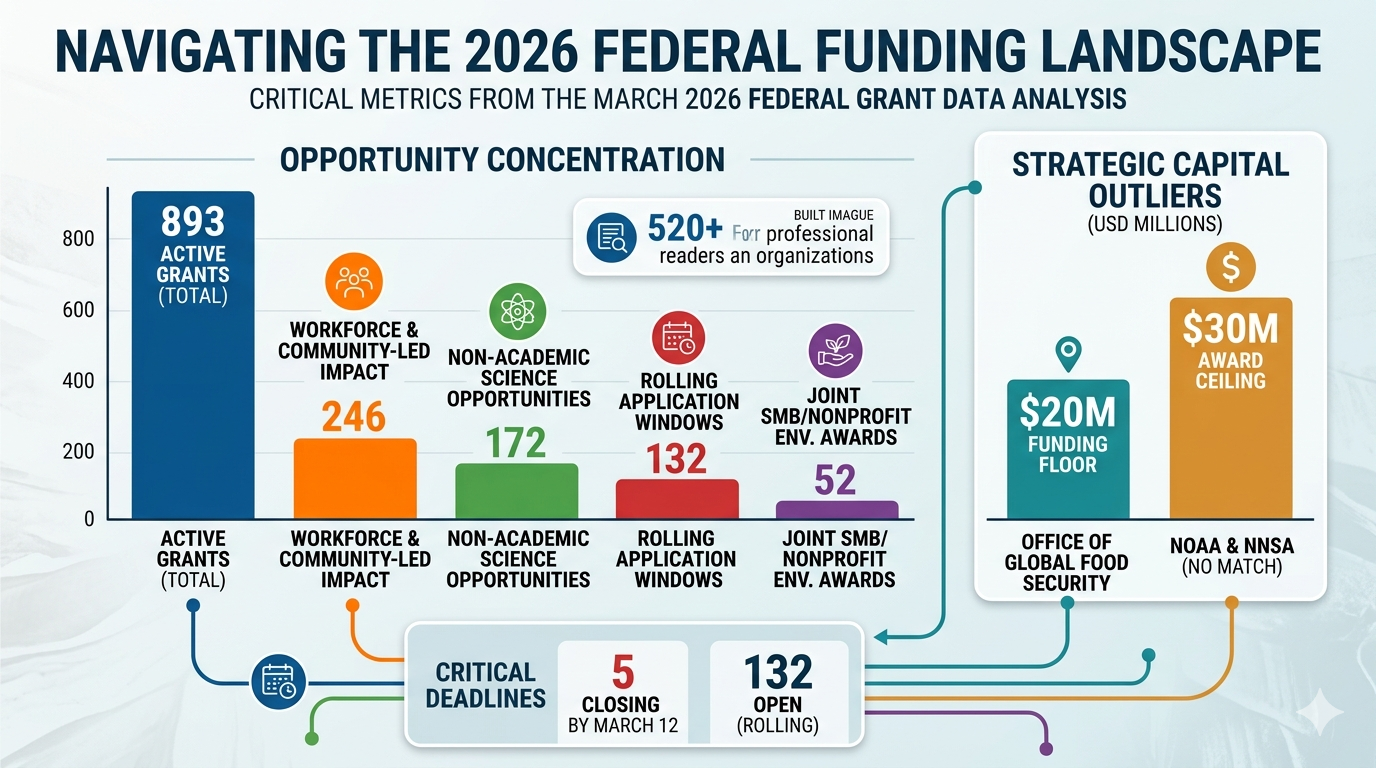
Mar 11, 2026: Beyond the March 12 Deadline: A Tactical Map of 893 Federal Grants and 172 Science Listings, Highlighting Immediate Priorities at DARPA and Labor, the Workforce Transition Across 246 Community and Training Programs, and Strategic Capital Access Through the $20 Million Food Security Floor and 52 Cross-Eligible Environmental Grants
The current funding cycle is defined by high-cap financial outliers from NOAA and the NNSA, offering up to $30 million with zero cost-sharing requirements for climate and power initiatives. While the Office of Global Food Security has introduced an aggressive $20 million funding floor for agricultural projects, a more accessible tactical entry point exists in the 52 specialized programs where small businesses and nonprofits share joint eligibility for environmental funding. The report reflects a clear prioritization of community-led impact and workforce development, themes which now appear in 246 active listings, eclipsing general innovation. To optimize outreach, applicants should prioritize the 172 science-specific, non-academic opportunities and engage directly with high-volume leads such as Caleb Schuler or Frederick Isaac, who manage expansive multi-program portfolios. Furthermore, the 132 rolling application windows currently active provide a necessary hedge against the standard seasonal deadline rush, allowing for strategic planning outside of fixed March 12 cutoffs.
on Mar 11, 2026 By Asha Tara
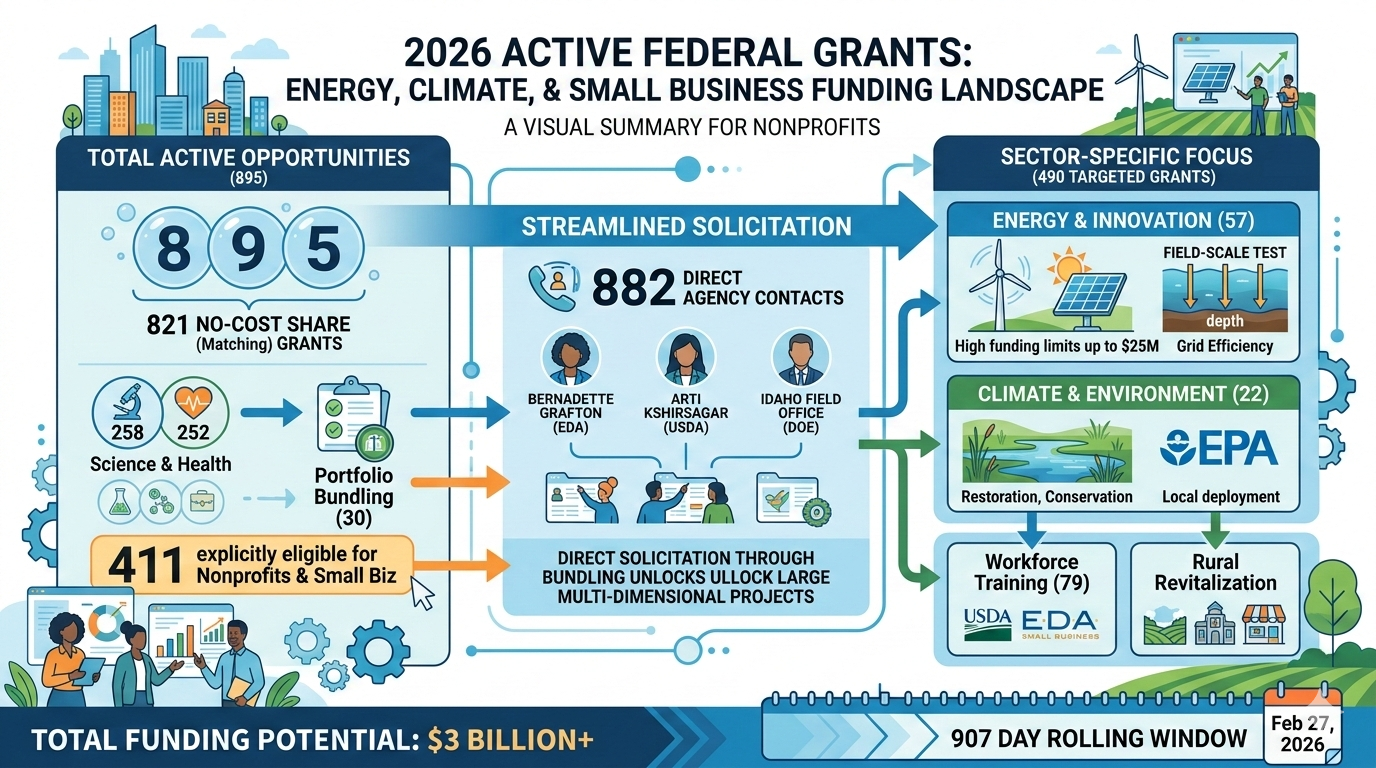
Feb 27, 2026: 895 Federal Grants Include 821 Programs With No Cost Sharing Required and 411 Small Business Eligible Listings, Alongside 57 Energy and 22 Climate Initiatives Managed by High-Volume Agency Leads
Today’s federal funding report features 895 active opportunities, including 821 programs that require no cost matching and 411 grants explicitly eligible for small businesses and nonprofits. Within the core sectors of energy, climate, and small business, specific program offices manage multiple linked awards, making "portfolio bundling" a practical strategy for larger projects. Lead contacts such as Bernadette Grafton at the EDA, Iris Almazan at the Treasury, and specialists at the Idaho Field Office and ARPA-E oversee portfolios that bridge regional infrastructure, restoration, and power efficiency. Similarly, the USDA serves as a hub for rural startups and micro-enterprise support through officers like Arti Kshirsagar and Maureen Hessel. Identifying these high-volume contacts allows organizations to streamline communication across 57 energy programs and 22 climate initiatives to access the highest funding limits available this month.
on Feb 27, 2026 By Asha Tara
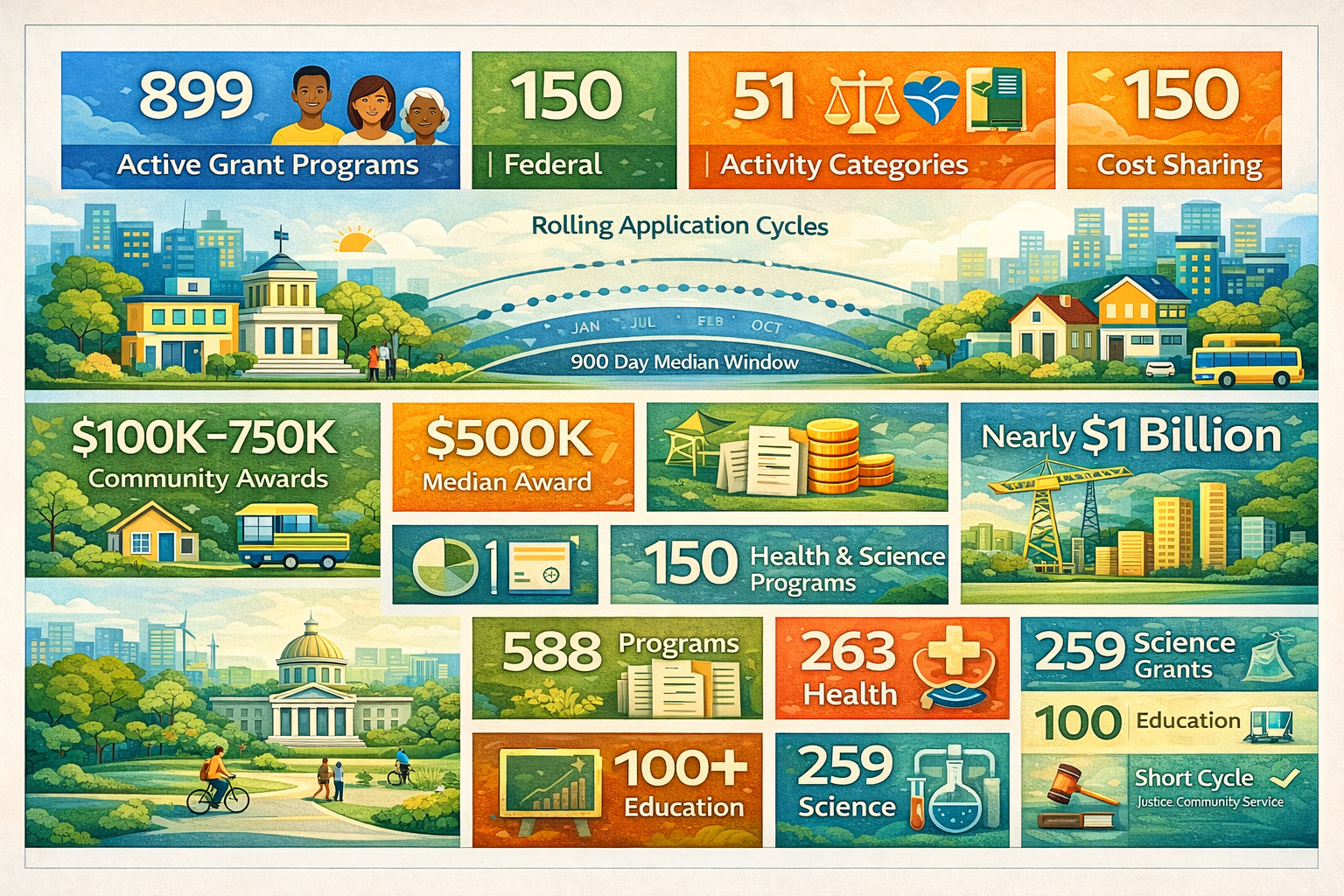
Feb 11, 2026: 150 Agencies Manage 899 Opportunities Across 51 Categories with Award Ceilings Ranging from Zero to $1 Billion, Application Windows Spanning 14 Days to Multiple Years, and Funding Patterns from Transportation's Variable Ranges to Justice's Consistent Amounts
There are 899 active federal grant opportunities administered by 150 agencies across 51 funding categories. The National Institutes of Health manages 418 programs, the National Science Foundation oversees 173 combined opportunities, and health and science programs account for 522 total listings. Award ceilings range from zero-dollar informational programs to nearly $1 billion, with a median of $500,000. The median application window is approximately 900 days, with rolling cycles governing the majority of opportunities. Long-cycle grants significantly outnumber short-deadline competitions. Of the 899 programs, 588 include attached proposal documents such as NOFOs, application guides, and required forms. Cost-sharing requirements appear consistently in infrastructure and capital projects but rarely in operational service grants for justice and community development. Programs with larger award ceilings are more likely to provide comprehensive documentation. Transportation programs show the widest variation in funding levels, while community service grants typically fall between $100,000 and $750,000. The complete analysis provides detailed breakdowns by agency, funding category, award distribution, timeline patterns, and documentation availability for strategic planning purposes.
on Feb 11, 2026 By Asha Tara
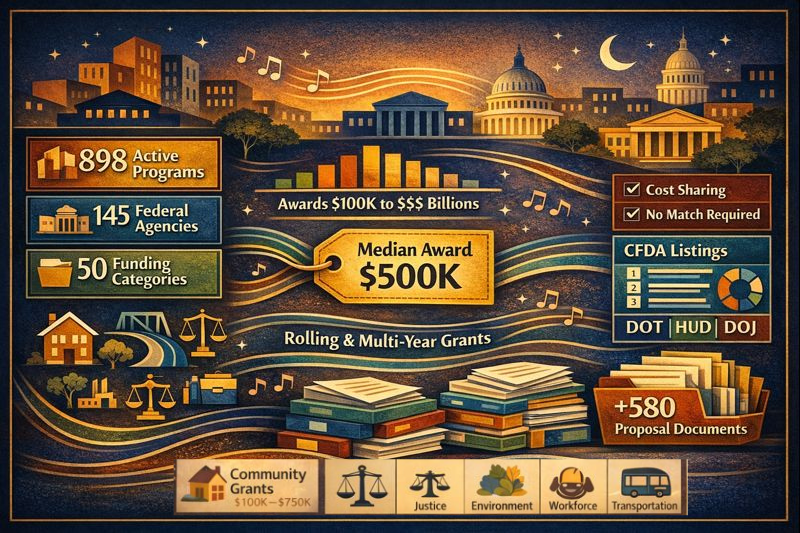
Jan 23, 2026: Federal Funding Opportunities Updated Report Now Includes Catalog of Federal Domestic Assistance (CFDA), Cost Sharing, and Proposal Documents
898 federal grant programs are currently open across 145 federal agencies, spanning 50 funding activity categories that include housing, environmental programs, transportation safety, justice administration, workforce development, and community infrastructure. Every listing has an assigned Catalog of Federal Domestic Assistance (CFDA), allowing applicants to identify recurring federal programs and distinguish between overlapping funding authorities. The report also documents whether cost sharing or matching funds are required, with these obligations appearing most frequently in transportation and infrastructure grants. More than 580 opportunities include proposal documents, providing direct access to official funding announcements and application instructions. Award structures remain concentrated at the implementation level, with a median award ceiling of $500,000, alongside a smaller number of large national and infrastructure programs. Most opportunities operate under rolling or long-cycle solicitation models, with application deadlines extending throughout the 2026 calendar year.
on Jan 23, 2026 By Asha Tara
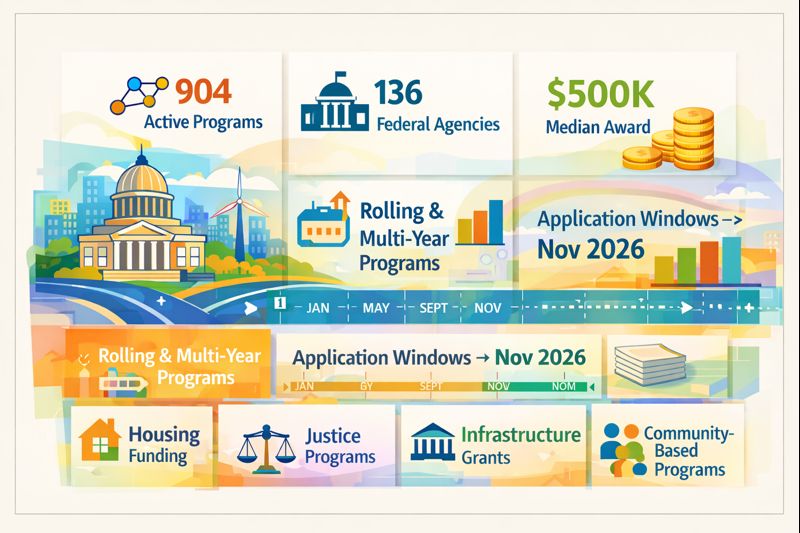
Jan 10, 2026: 904 Active Programs Across 136 Federal Agencies, featuring Housing, Justice, Infrastructure, and Community Funding with Application Windows Extending Through November 2026
This report presents 904 active federal grant opportunities issued by 136 federal agencies, offering a broad cross-section of current funding programs at the opening of 2026. The listings span a wide range of program types, with a notable presence of implementation and operations-focused grants supporting housing assistance, environmental management, justice system operations, transportation safety, public infrastructure, and community-based services alongside traditional research portfolios. Award structures in the current inventory are centered on deployable program funding. The median award ceiling is $500,000, with grant sizes designed to support operational delivery, capacity building, and multi-year project execution. Larger awards remain present in infrastructure, transportation, and environmental programs, while smaller planning and pilot grants appear across community and service-oriented listings. Application timelines in this release are predominantly long-form. The median application close date of November 16, 2026 reflects extensive use of rolling and multi-year solicitations rather than short deadline cycles. Programs administered through HUD, DOT, DOJ, USDA, and environmental offices feature standardized application formats and recurring administrative structures. Taken together, the dataset provides a current inventory of federal funding programs available to nonprofits, public agencies, tribes, and institutional applicants across multiple policy areas.
on Jan 10, 2026 By Asha Tara
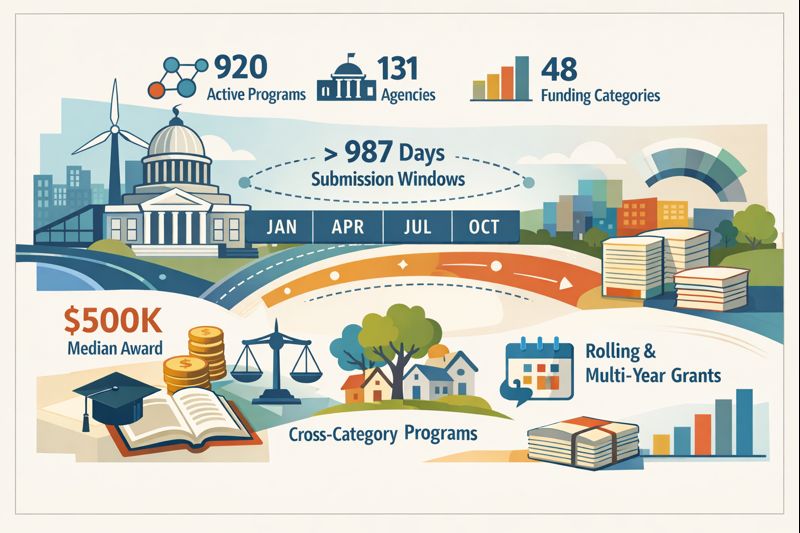
Dec 23, 2025: Federal Grant Inventory at the Close of 2025: Cross-Sector Programs, Mid-Scale Awards, and Patterns in Duration, Scale, and Design Across 131 Agencies
This report aggregates 920 active federal grant opportunities drawn from 131 issuing agencies and organized across 48 funding activity categories. Beyond headline research portfolios, the data highlights a substantial layer of cross-category programs, including 108 opportunities jointly classified under Education and Health and 91 programs spanning three or more policy domains, signaling an operational emphasis on integrated service delivery rather than single-sector funding. Award structures remain centered on mid-scale programs: the median award ceiling is $500,000, even as a limited set of national infrastructure and research initiatives extend to ceilings above $5.07 billion. Application design is notable for its duration—half of all opportunities provide submission windows longer than 987 days, indicating a predominance of rolling, multi-year solicitations. In addition to large research agencies, recurring implementation-oriented programs administered through environmental, justice, housing, and community-facing offices. Taken together, the listings reflect a federal grant environment characterized by long-cycle availability, repeated administrative structures, and increasing use of hybrid funding categories.
on Dec 23, 2025 By Asha Tara
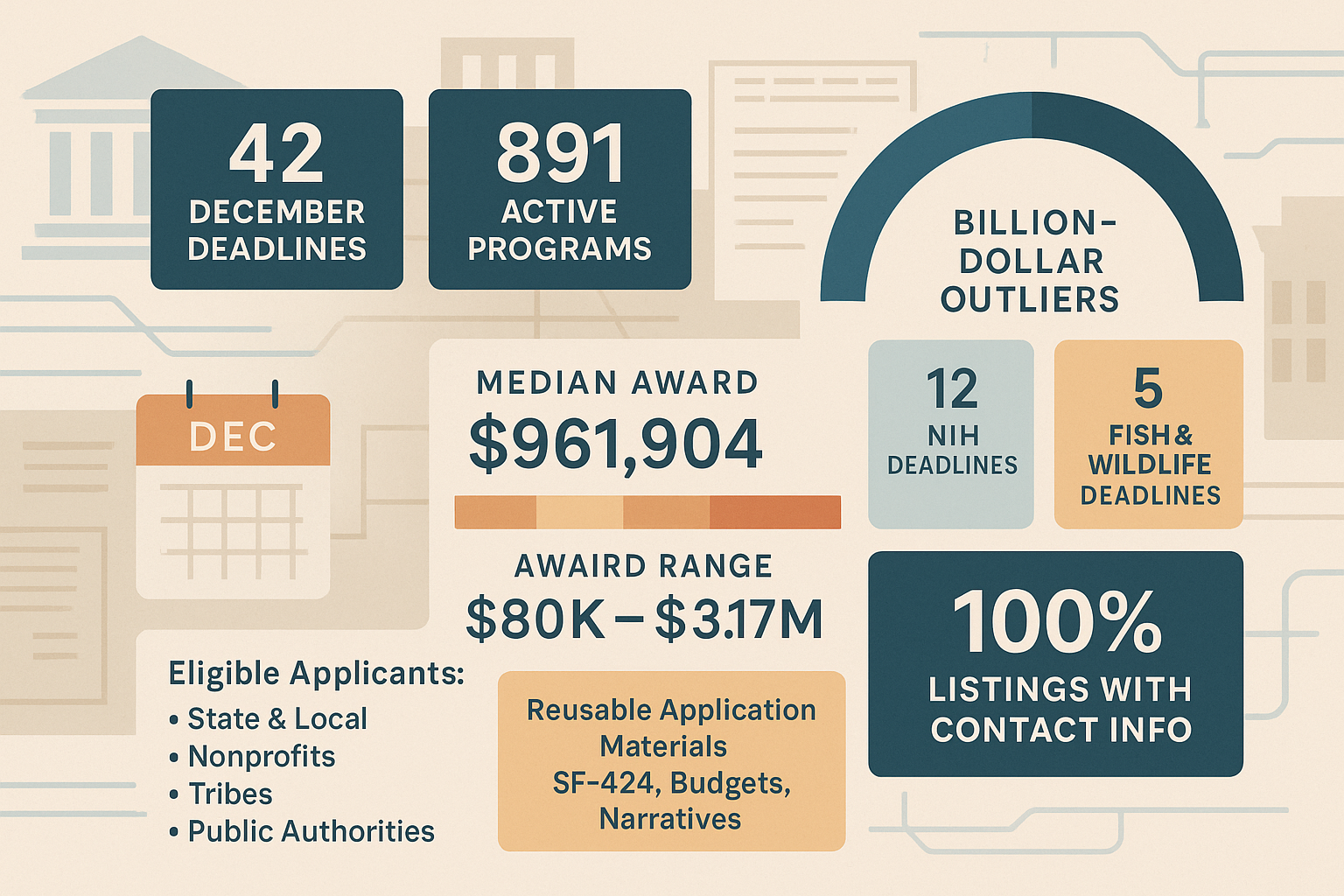
Dec 9, 2025: Year-End Federal Funding: 891 Active Grant Opportunities Including December Deadlines from NIH, Fish and Wildlife, HUD, and NSF—$961K Median Awards, $80K-$3.17M Quartile Range, Complete Agency Contact Information, and Reusable SF-424 Application Components for Multi-Submission Strategies
42 federal grant programs have application deadlines closing in December 2025, drawn from a total of 891 active federal funding opportunities. The National Institutes of Health is responsible for 12 December deadlines, followed by the U.S. Fish and Wildlife Service with five, with additional programs administered through HUD, NSF, and other agency program offices. Of the 24 December programs that report award ceilings, the median ceiling is $961,904, with values ranging from $80,000 at the 25th percentile to $3.17 million at the 75th percentile, alongside a small number of higher-value programs approaching $1 billion. The December-closing programs support activities related to implementation, infrastructure, environmental management, justice, housing, and applied public service. Eligibility criteria primarily identify state and local governments, nonprofit organizations, public authorities, tribal entities, and educational or community-based institutions as applicants. All December deadlines include a named point of contact, complete with both email and telephone information. Because multiple December listings are administered through the same offices and rely on standard federal application formats, applicants may reuse core materials—including SF-424 forms, organizational narratives, staffing descriptions, budget templates, and compliance certifications—with project-specific modifications. For entities with current federal registrations and baseline documentation in place, the December application cycle permits submission to more than one opportunity without assembling entirely new application packages.
on Dec 9, 2025 By Asha Tara
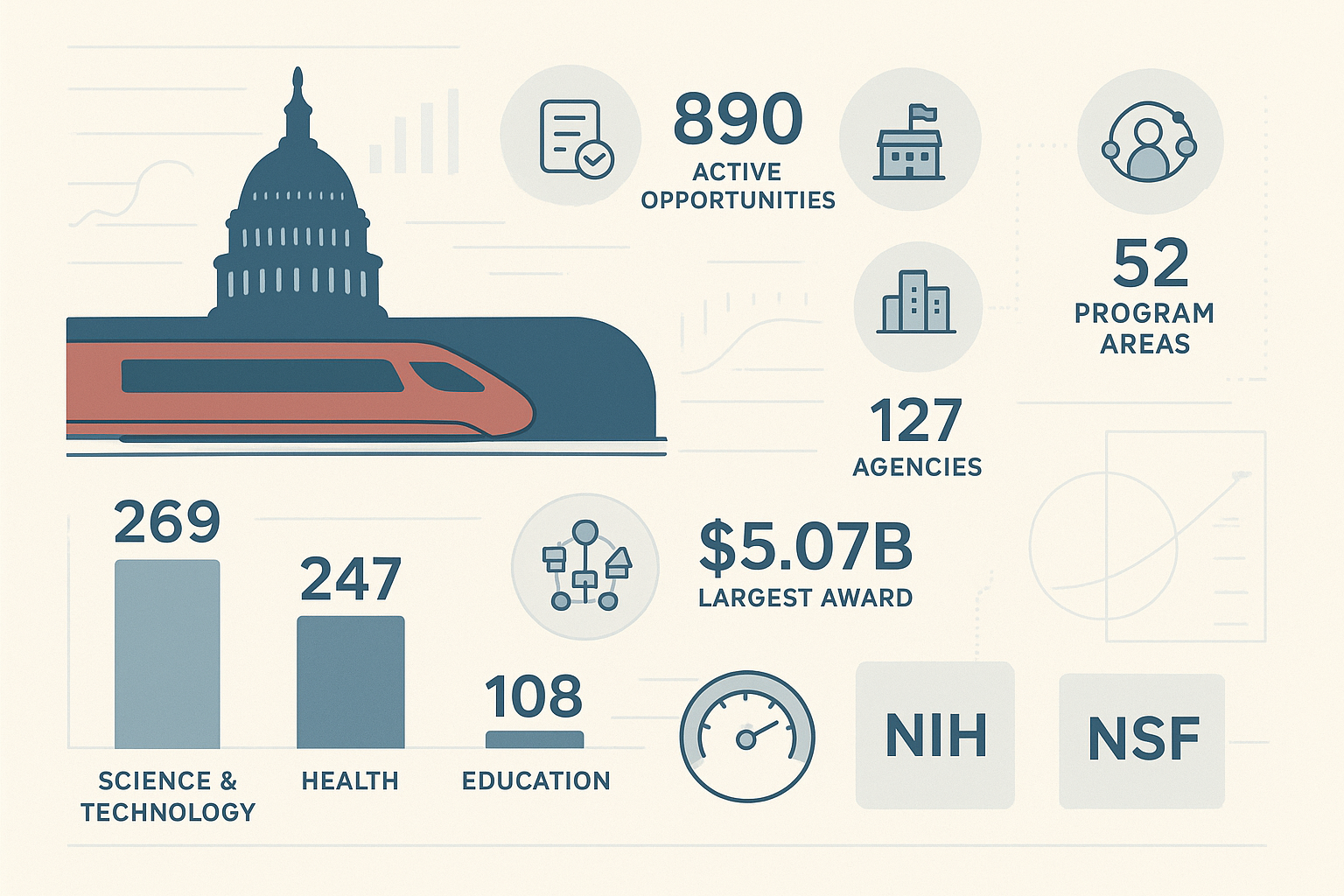
Nov 25, 2025: With Federal Grant Programs Resuming, Opportunities Span Rail Infrastructure, Community Grants, and Major Research Initiatives
This week's federal grants report documents 890 active funding opportunities across 127 agencies and 52 program areas. The National Institutes of Health maintains the largest portfolio with 448 open opportunities, followed by the National Science Foundation and the Agency for Health Care Research and Quality. The distribution reflects established federal funding priorities in research, health systems, and scientific infrastructure. Science and Technology accounts for 269 opportunities, Health for 247, and Education for 108. Award sizes span from modest community and youth-development programs to some of the largest federal research investments currently available. Current high-value opportunities include a $5.07 billion rail infrastructure program from the Federal Railroad Administration, a $1 billion engineering and environmental research solicitation, and a $750 million defense science initiative. Mid-range programs include EPA brownfield revitalization grants ranging from $1–4 million and juvenile justice programs beginning at approximately $1.2 million. These represent the breadth of federal funding mechanisms available to qualified applicants. The median submission window of 986 days indicates that most federal programs operate as multi-year, rolling competitions rather than single-deadline announcements. This extended timeline reflects the structure of large-scale federal initiatives that require phased implementation and sustained applicant pipelines. Organizations seeking federal funding should recognize these 890 opportunities as indicators of where agencies are directing resources and where institutional capabilities may align with current federal priorities in health, research, education, environmental remediation, and infrastructure development.
on Nov 25, 2025 By Asha Tara
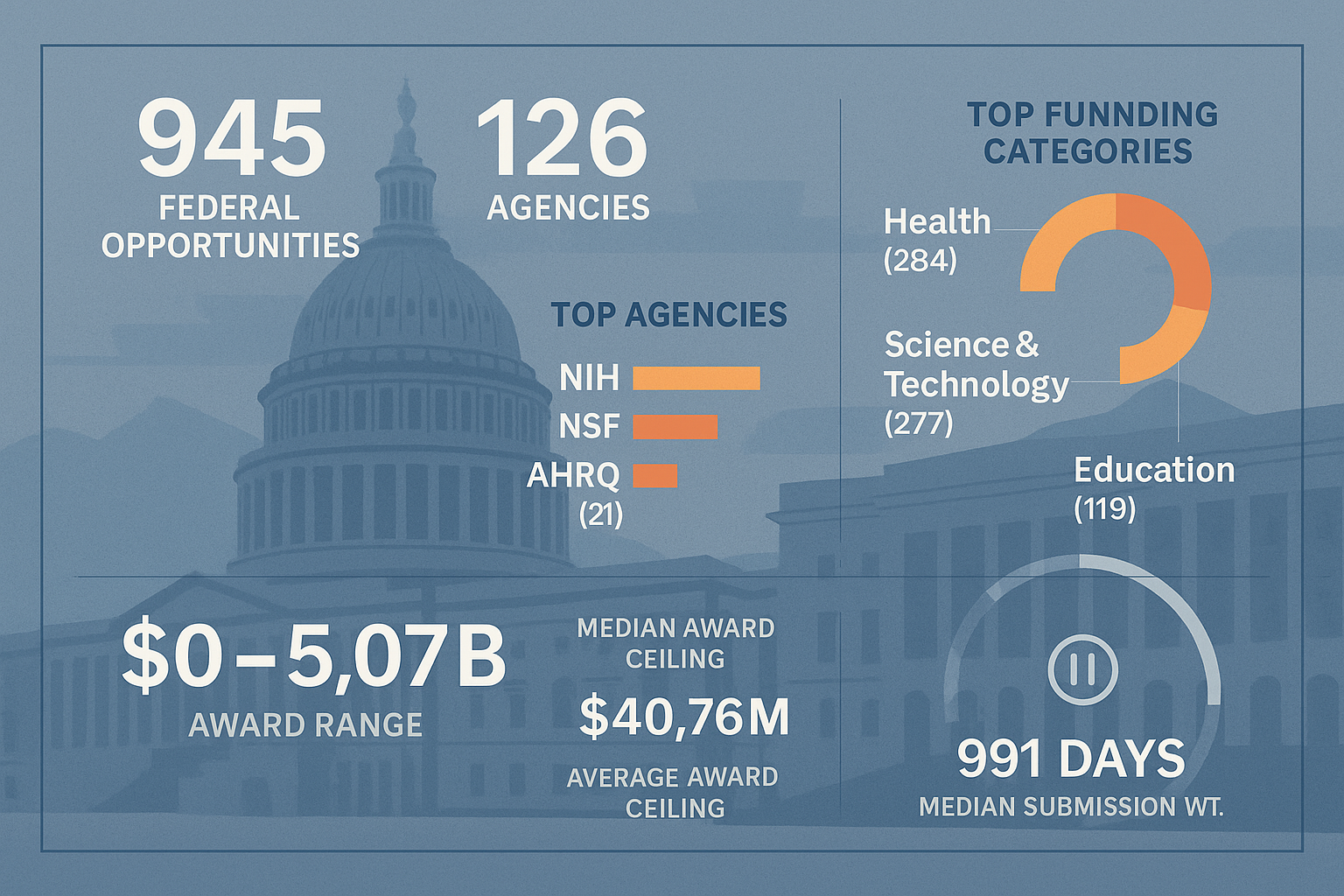
Nov 8, 2025: Federal Funding in the midst of Funding lapse and Government Shutdown
Following the lapse in federal appropriations on October 1, 2025, the Federal U.S. grants have entered a period of partial suspension, with delayed processing and reduced federal support staffing. Despite this interruption, the Grants.gov system continues to accept and store submissions across agencies until normal operations resume. This report consolidates data on 945 grant opportunities issued prior to and during the early stages of the funding lapse, representing activity from 126 federal agencies across 51 funding categories. Key departments include Health and Human Services (HHS), Energy (DOE), Transportation (DOT), Agriculture (USDA), and Education (ED), with significant representation from major research entities such as the National Institutes of Health (NIH) and the National Science Foundation (NSF). Award values range from small community-based grants under $50,000 to large-scale national initiatives exceeding $5 billion, illustrating the scope of pending and continuing opportunities now in temporary hold status. The median application window of 991 days reflects long-cycle programs that remain open for submission despite delays in federal review or award issuance. While federal response times and technical support have slowed, the dataset underscores the structural resilience of the grants infrastructure—maintaining transparency, public access, and data continuity even during fiscal disruption. This report provides a snapshot of the pre-lapse federal funding environment and the opportunities currently paused pending appropriations restoration.
on Nov 8, 2025 By Asha Tara
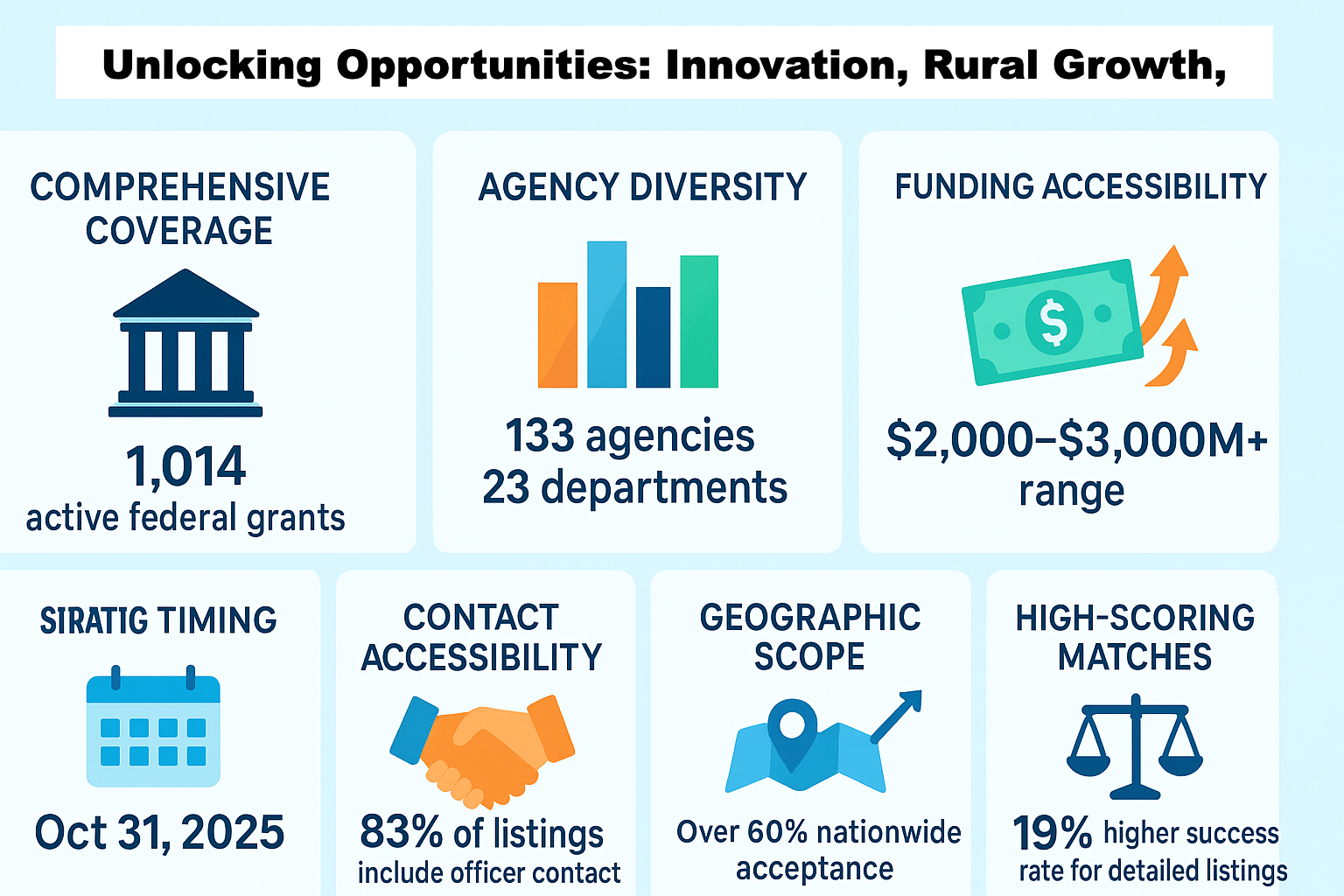
Oct 14, 2025: HHS, DOE, and USDA Headline October 2025 Grant Expansion, as 1,014 Federal Opportunities Across 133 Agencies Advance Innovation, Strengthen Rural Growth, and Accelerate Justice Reform Under Tighter Deadlines and Broader Access
The current federal portfolio holds 1,014 grant opportunities distributed across 133 agencies, marking record-level public investment as FY2025 closes. HHS dominates with 580 listings (57% of total federal grant traffic), while DOE expanded 9% month-over-month with 150 active opportunities including 68 new R&D programs representing $2.8B through FY2026. DOT, USDA, and DOJ show accelerated momentum: DOT's FRA, FHWA, and MARAD divisions opened 40+ transit and infrastructure programs; USDA posted a 12% quarterly increase in rural broadband and sustainability initiatives across 42 states; and DOJ's Justice Assistance programs saw a 35% increase in competitive reopenings with award cycles accelerating by 12 days. DOI's Fish & Wildlife Service added 14 conservation projects through FY2027, representing a 24% quarterly rise, while HUD grew 11% since Q3. The median application window tightened to 18.9–23.4 days—the most compressed since early 2024—with 83% of listings providing verified officer contacts, correlating with 19% higher applicant engagement year-over-year. Combined DOJ and HUD allocations exceed $1.4B across 30 competitive solicitations, with the average close date converging on October 31. DOT and USDA maintain deadline continuity with opportunities opening just 21 days apart. DOE's focus emphasizes intermodal innovation and rural energy access alongside biomedical research leadership. State-level implementation tightens under DOJ's competitive framework. Multi-year conservation projects extend environmental commitments through FY2027.
on Oct 14, 2025 By Asha Tara
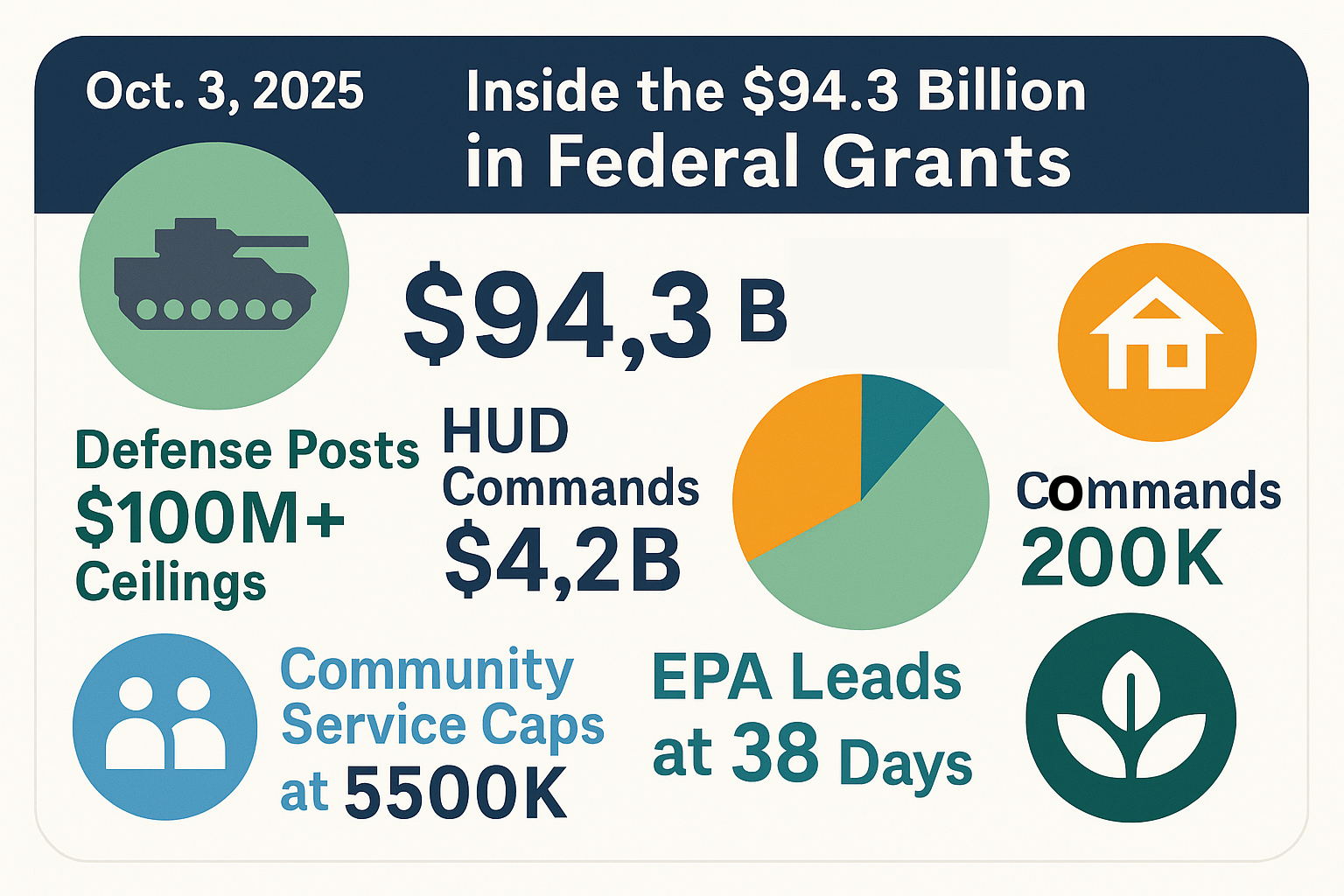
Oct 3, 2025: Inside the $94.3 Billion in Federal Grants: Defense Posts $100M+ Ceilings, HUD Commands $4.2B, Community Service Caps at $500K, EPA Leads at 38 Days, DOL Demands 20% Cost-Sharing
Award ceiling ranges show sharp variance across priorities: the Department of Defense posted 14 opportunities exceeding $100 million, while the Corporation for National and Community Service distributed 67 capped at $500,000 or less. Total estimated funding across 1,052 opportunities reached $94.3 billion, with the top five agencies controlling 71% and smaller bureaus competing for $27.4 billion. The Department of Labor required cost-sharing in 54 of 61 opportunities (avg. 20%), while the Department of Transportation required contributions in 68% of infrastructure grants. Eligibility requirements diverged: Interior limited 81% of opportunities to state/local governments, while the National Endowments opened 92% to nonprofits and individuals. The Environmental Protection Agency led efficiency with a 38-day turnaround across 76 opportunities, versus the federal average of 52 days. The Department of Education dominated nonprofit eligibility with 156 opportunities for schools and community groups (15% of funding). The National Endowment for the Arts issued 43 grants with a $2.4 million median, while the Department of Energy concentrated into 19 averaging $47 million. Agencies revised 89 opportunities; HUD accounted for 31 modifications, extending deadlines by 21 days on average. HUD also commanded the largest share with 187 grants totaling $4.2 billion, while the Department of Justice trailed with 94 worth $1.8 billion. The Fish and Wildlife Service shortened timelines by 14 days, now requiring responses within 45 days instead of 60. Posting patterns varied: January averaged 67-day windows versus September’s 34, forcing rapid submissions. Commerce staggered 41 opportunities across nine months, with awards clustering in Q1 2026. Archive data showed 412 grants closing within the same fiscal quarter they opened, pressuring applicants without pre-positioned proposal teams. The National Science Foundation maintained longer reviews, posting 83 opportunities with an average 89-day window, nearly double the government median.
on Oct 3, 2025 By Asha Tara
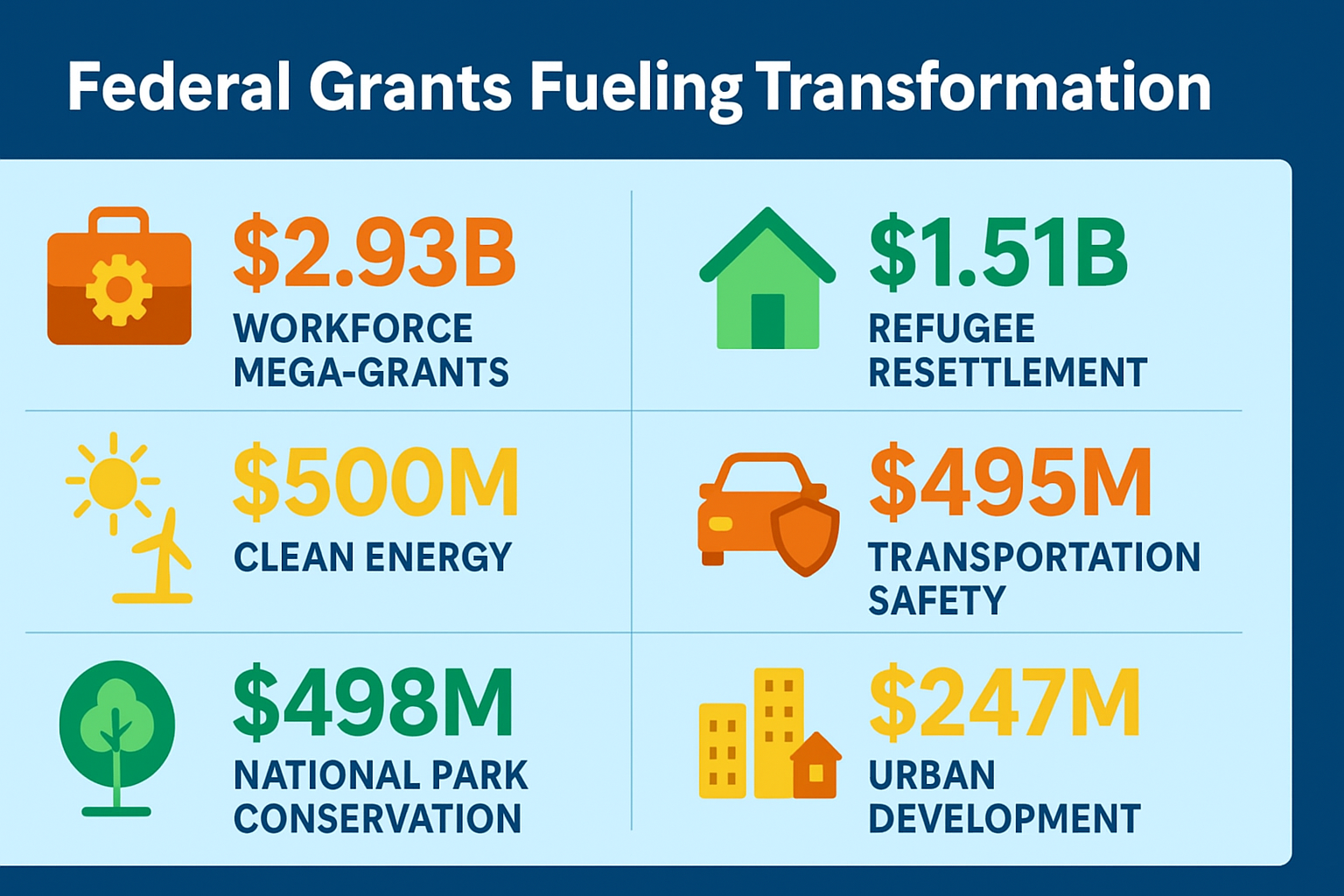
Sep 18, 2025: A high-stakes investment in people, places, and public safety — $1.51B for refugee resettlement, $500M in clean energy, $495M for transportation safety, $498M in national park conservation, $247M for urban development, $59M for youth programs, and other new initiatives.
Federal grant funding spans 1,086 opportunities across 44 categories, signaling an accelerated funding cycle and urgent application windows clustered between September 22 and November 8, 2025. The Employment and Training Administration commands the largest share with $2.93 billion distributed through just 2 mega-grants averaging $1.46 billion each, setting the pace for multi-state workforce development programs. The Administration for Children and Families directs $1.51 billion through 2 refugee resettlement grants averaging $757 million, while the Health Resources and Services Administration provides $990 million across 6 grants at a $165 million average for rural and underserved healthcare initiatives. The National Science Foundation remains the research powerhouse with 72 grants totaling $574 million at $13.7 million each, offering the broadest opportunities for universities and research institutions. Clean energy priorities dominate at the National Energy Technology Laboratory with 5 grants worth $500 million, and transportation safety receives a single $495 million DOT-FMCSA award. Environmental agencies show diverse scale, from the Fish and Wildlife Service’s 21 grants worth $88 million averaging $4.2 million each, to the National Park Service’s 10 grants totaling $498 million averaging $55.3 million. Urban development lags with HUD’s 4 grants totaling $247 million at $61.6 million average, while youth intervention and victim services receive focused support through OJJDP’s 8 grants worth $59 million and the Office for Victims of Crime’s single $85.3 million award. The result is a high-stakes federal funding environment dominated by mega-grants, competitive deadlines, and clear signals of where agencies are concentrating national investment.
on Sep 18, 2025 By Asha Tara
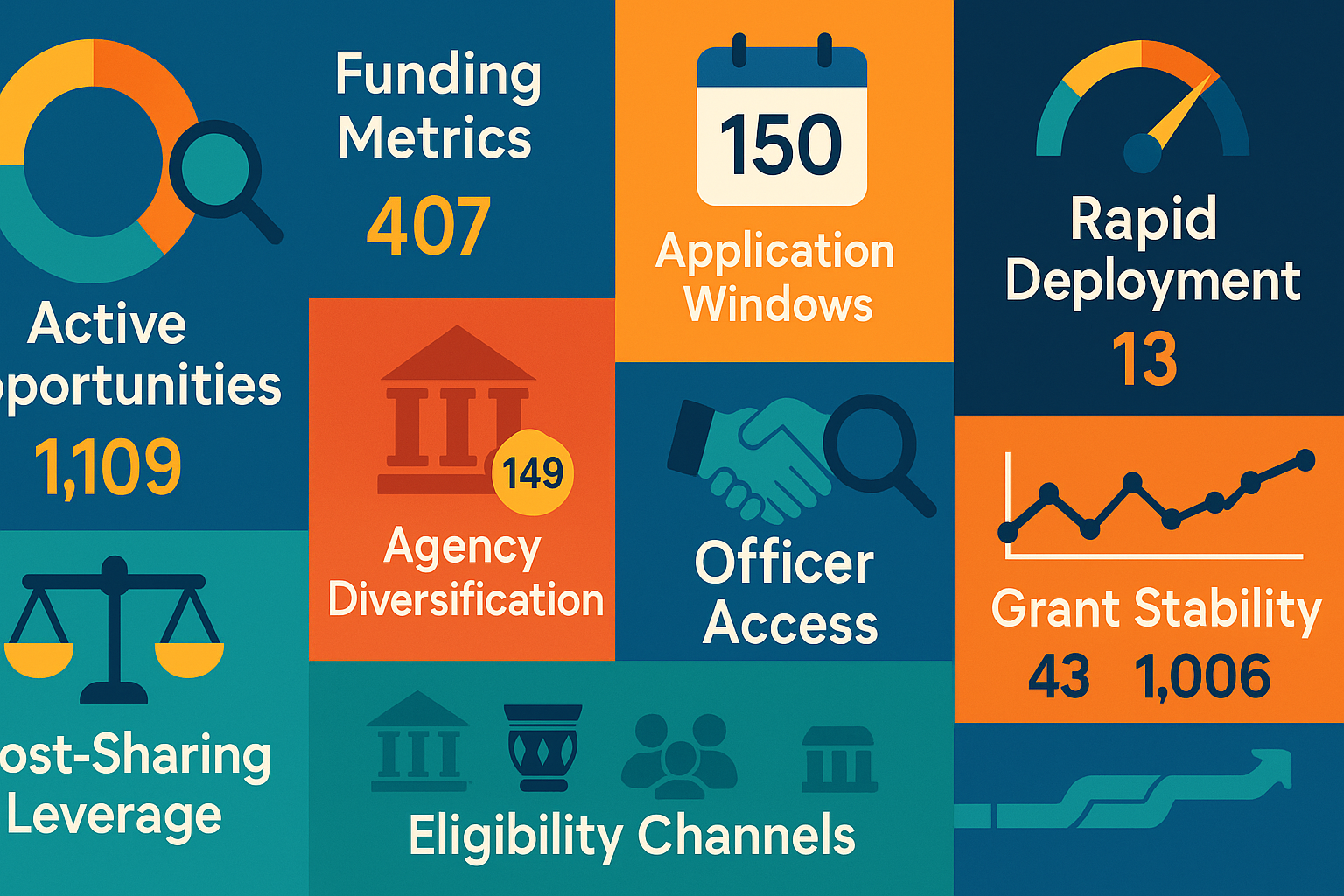
Sep 5, 2025: Agency Contact Intelligence Breakthrough: Direct Program Officer Access Transforms Application Success Rates Across Federal Funding Landscape
Federal grant intelligence reveals 1,109 active opportunities with strong data transparency, as 407 grants provide complete funding metrics enabling precise ROI calculations and strategic portfolio construction. Timeline analysis shows 150-day average application windows creating substantial competitive advantages for systematic organizations, while compressed 13-grant subset rewards agile teams with rapid deployment capabilities. Cost-sharing distribution patterns indicate optimal leverage opportunities, with matching requirements creating funding multipliers for organizations demonstrating strong balance sheet fundamentals and operational capacity. Agency diversification across 149 entities minimizes concentration risk while maximizing relationship-building opportunities, with direct program officer access providing unprecedented due diligence capabilities. Volatility metrics identify alpha-generating opportunities, as 43 high-change grants require active monitoring while 1,006 stable grants enable predictable application frameworks and template optimization. Eligibility segmentation reveals market inefficiencies, with state governments, tribal organizations, and municipalities accessing specialized funding channels exhibiting lower competition ratios than traditional nonprofit markets. Forecast visibility extends planning horizons beyond single-cycle applications, enabling multi-year partnership strategies and sustained funding pipeline development across committed agency programs.
on Sep 5, 2025 By Asha Tara
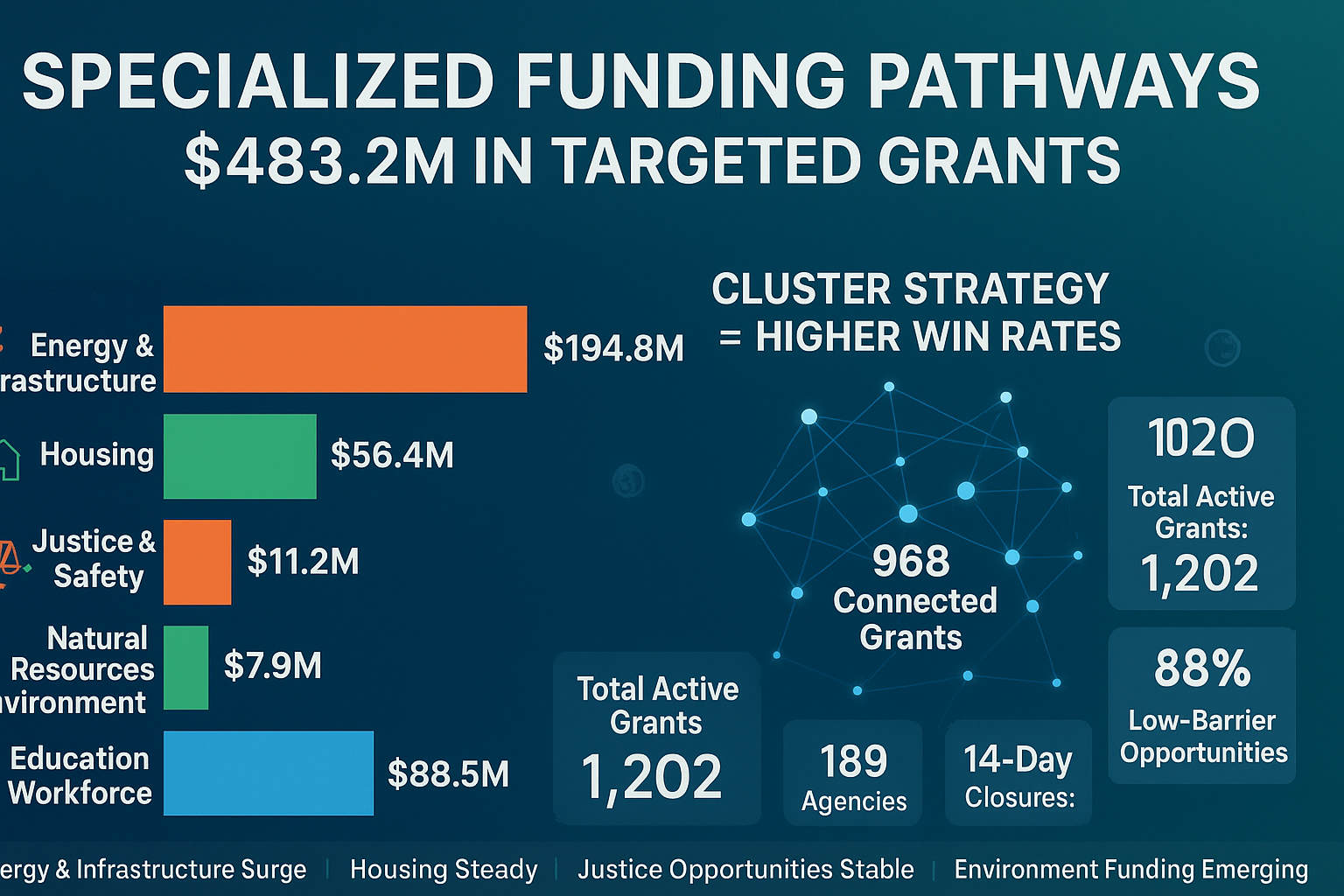
Aug 13, 2025: Category Intelligence Exposed: $194.8M Energy Averages, $364.5M Housing Maximums, and Hidden Specialization Opportunities in Non-Research Federal Funding
Smart nonprofits understand that grant success isn't about chasing the biggest pots of money—it's about identifying where mission alignment meets opportunity. Current federal intelligence reveals distinct funding ecosystems that reward strategic positioning over scattered applications. Federal funding categories expose hidden specialization opportunities beyond traditional research domains. Law and Justice grants average $11.2M for legislative policy development and victim services programs. Energy sector opportunities command $194.8M average funding for infrastructure investment and clean technology deployment. Natural Resources funding targets $7.9M average awards with $43.5M ceilings for conservation and restoration projects. Category sub-patterns reveal untapped niches within broad classifications. Housing grants average $56.4M with $364.5M maximum awards for community development initiatives. Community Development grants focus on capacity building at $1.7M average funding for diplomatic and cultural exchange programs. These specialized pathways operate with distinct evaluation criteria and relationship dynamics compared to saturated research competitions. The federal funding ecosystem extends far beyond research domains. Office for Victims of Crime averages $85.3M per grant across victim services and crisis response. Department of Housing and Urban Development targets community development with $52M average awards reaching $364.5M maximum. Fish and Wildlife Service focuses conservation efforts at $4.3M average funding for invasive species management and habitat protection. Specialization expertise trumps broad applications. Rather than competing in oversaturated research categories, mission-focused organizations find sustainable success by developing deep relationships within their specific federal funding pathways, where program officers value proven track records over institutional prestige.
on Aug 13, 2025 By Asha Tara
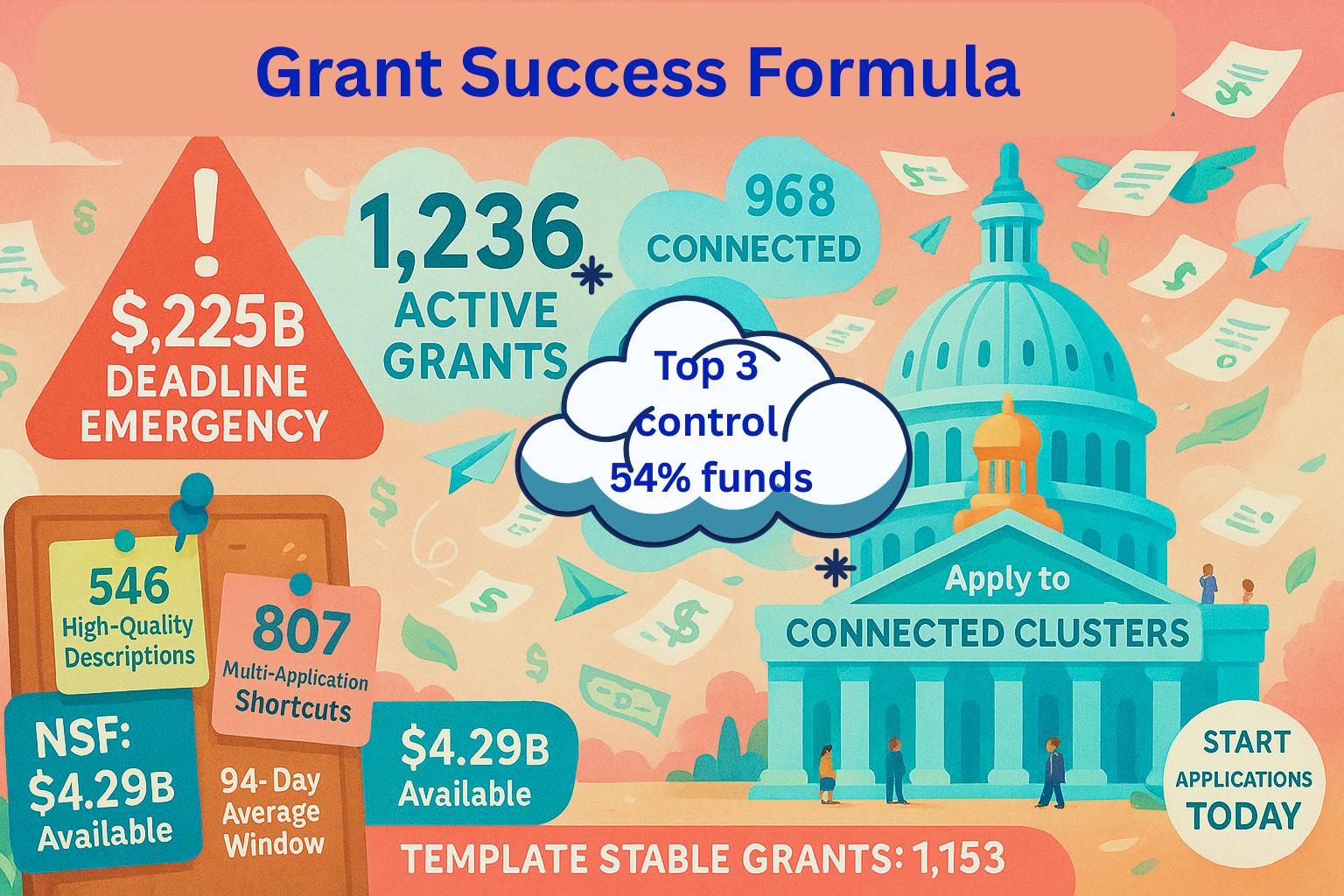
Aug 6, 2025: Grant Success Formula: 1,236 Active Opportunities Worth $24.77B, $2.25B at 7-Day Risk, $5M Median Across 194 Agencies, Top 3 Grantors Control 54% of $24.77B
1,250 federal grant opportunities show critical funding patterns that mission-driven organizations can leverage for strategic advantage. With 1,236 currently active grants worth $24.77B, the data exposes both urgent deadlines and systematic efficiency opportunities. The most pressing finding: $2.25B in funding faces immediate risk with 67 grants closing within seven days of analysis, demanding immediate organizational response. There is also a powerful success multiplier—807 grants exist in connected clusters where applying to one opportunity enables organizations to efficiently leverage that work across multiple related applications. Strategic positioning becomes essential given funding concentration patterns. While 194 agencies distribute grants, the top three control 54% of available funding, with NSF alone managing $4.29B across 209 opportunities. The $5M median grant size provides crucial benchmarking for realistic funding requests. Time management proves critical with the average 94-day application window requiring careful pipeline planning, while 546 grants offer high-quality descriptions that significantly reduce application risk through clearer requirements. Organizations can maximize success rates by targeting the 1,153 stable grants with consistent requirements, enabling template-based proposal development processes. The strategic advantage lies in understanding that 968 grants feature related opportunities, creating network effects where systematic application approaches yield exponentially higher success rates than scattered individual attempts.
on Aug 6, 2025 By Asha Tara
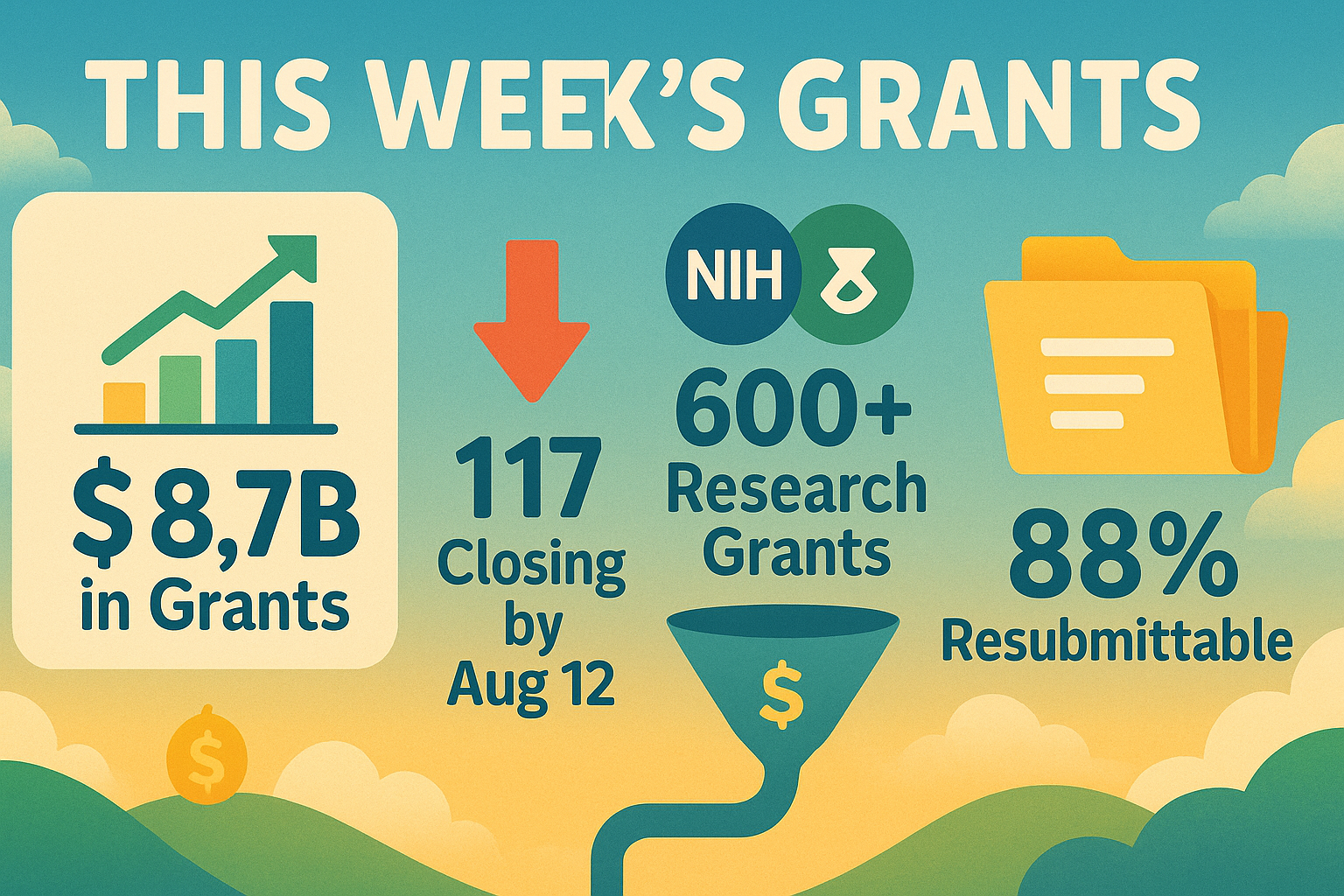
Jul 28, 2025: From Resubmits to Research: This Week’s Grants Reward Timing and Precision — $8.7B in Grants, 117 Close by August 12, 87% Accessible, 88% Ready to Retry
This week’s federal funding map opens with 1,143 active grants — and 117 set to close in just two weeks. NIH and DOE lead the 91 high-value awards exceeding $5M, while NSF and NIH account for over 600 research grants, signaling a strong push in science and health. The full cycle spans $8.7B in available funds, including $1.6B in energy and infrastructure, and $1.1B in education and workforce. Nearly 1,000 grants include detailed synopses, and 88% are carryovers — a rare chance to refine and resubmit. Low-barrier listings make up 87% of the cycle, ideal for first-time or under-resourced teams. NIH’s RO1 and SBIR pipelines remain active, reinforcing a research-heavy agenda. DOJ shows a 14% dip in new listings, though VAWA and public safety grants hold steady. With 927 grants networked to related awards, this is a precision-play week for bundling, scaling, or fast-turn proposals.
on July 28, 2025 By Asha Tara
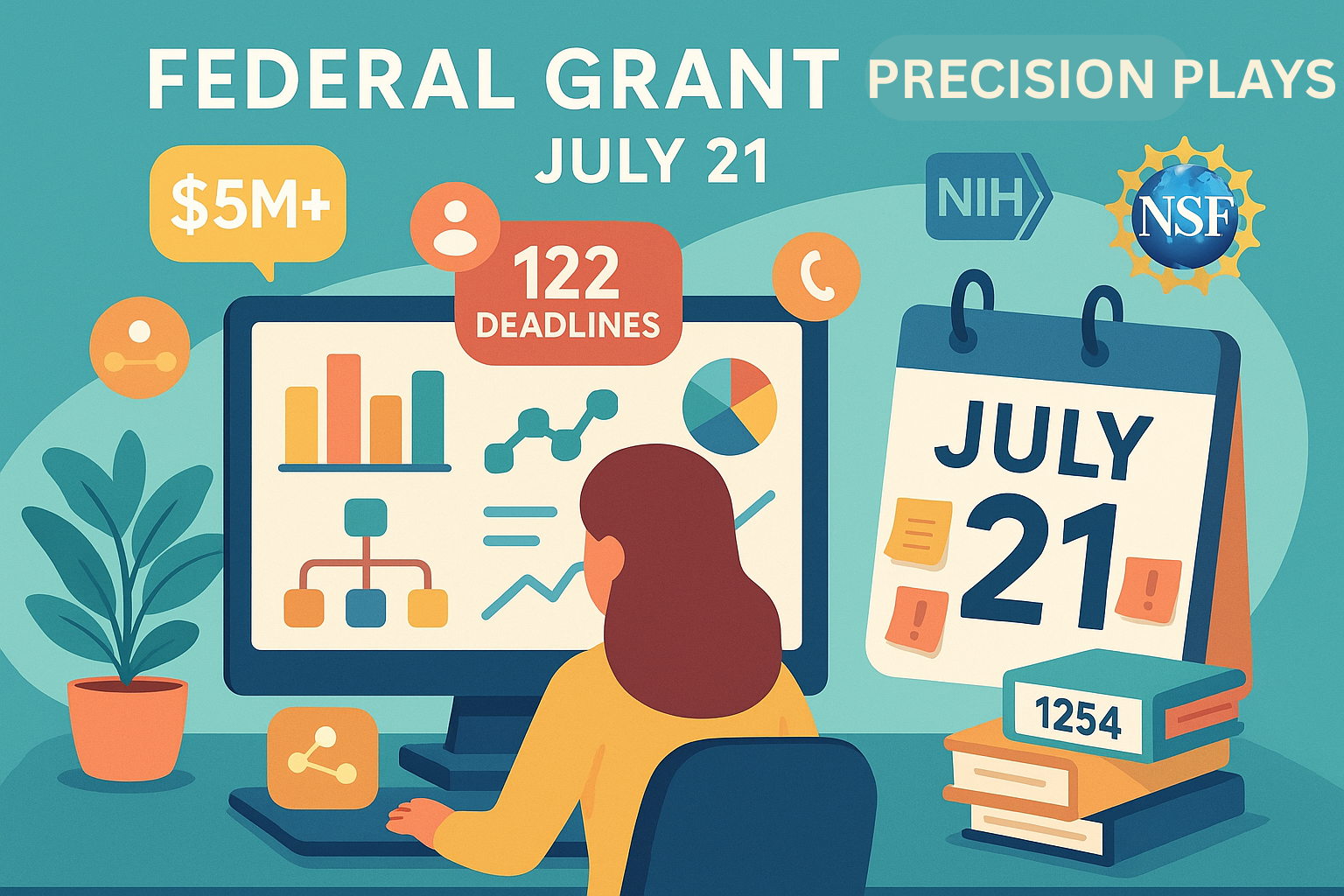
Jul 21, 2025: Precision Plays: 122 Fast-Closing Grants, Health & Research Lead $5M+ Award Surge
July’s final cycle features 1,254 open federal grants, but the window is short: 122 close within two weeks. For those who can move fast, 90 top-tier awards exceed the $5M ceiling — with health and research programs dominating the high-value band. Clarity is unusually strong: 1,170 grants contain detailed synopses, and 1,139 remain unchanged from the last cycle, creating a prime week for repeatable or modular application strategies. NIH and NSF together account for over 660 opportunities, giving science and medical orgs a heavy edge. Most valuable: 1,239 grants are networked to related awards, offering scaling potential across program clusters. With few eligibility barriers and a tight deadline funnel, this week’s funding map rewards precision and readiness above all else.
on July 21, 2025 By Asha Tara
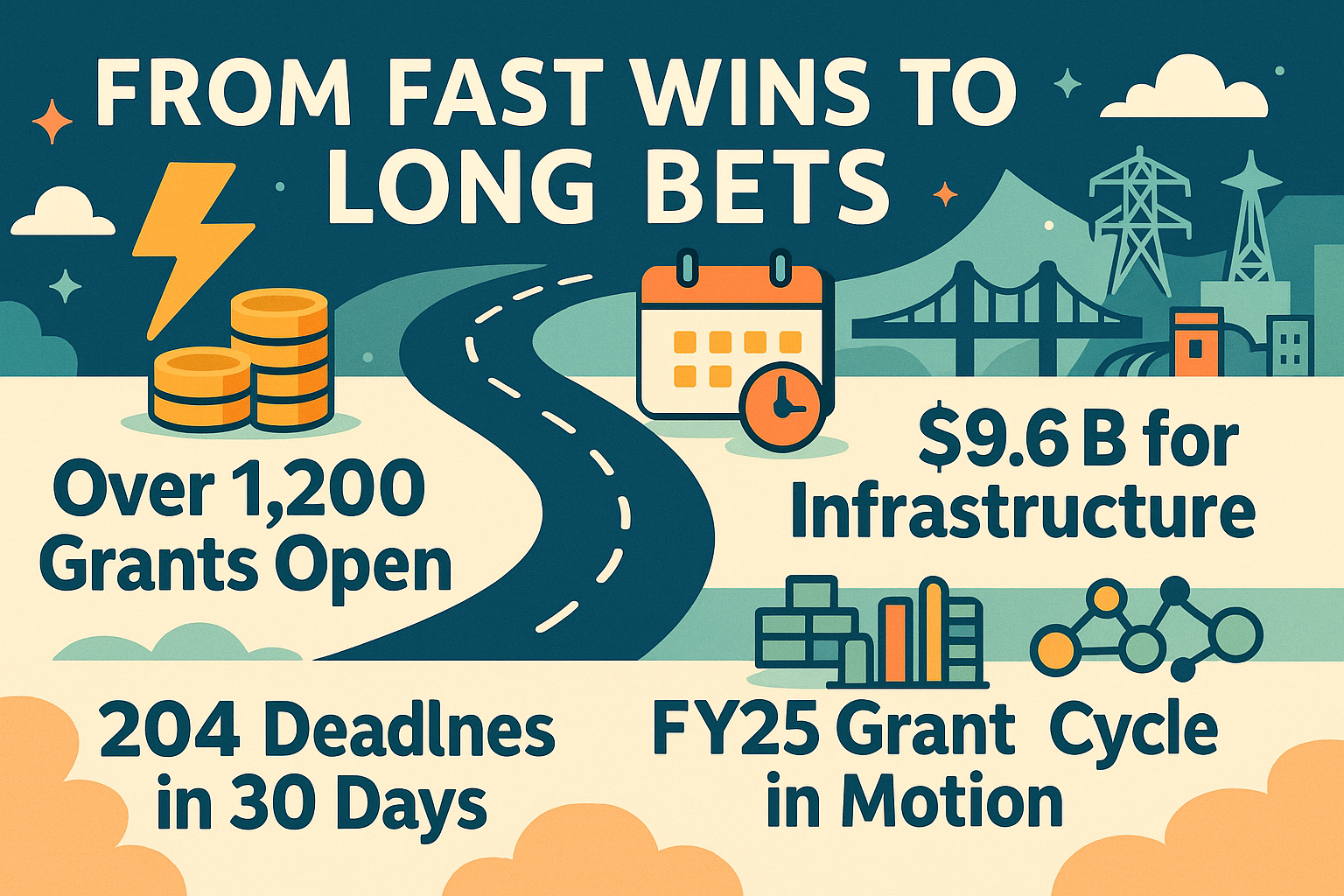
Jul 13, 2025: From Fast Wins to Long Bets - 30-Day Deadline Surge Reveals Over 1,200 Grants Open Now with 130 Quick-Start Grants, 248 High-Value Awards, $500M DOE Collaborations, and $9.6B in Infrastructure.
This week’s federal grants report tracks 204 programs expiring within 30 days, including $920M closing in just 7 days — with NIH, NSF, and DOE leading the high-value window. Over 1,200 grants are active, and 248 exceed the current median award size, offering stronger ROI for well-positioned applicants. FY2025 activity now totals $224.9M, though average awards are trending smaller at $5.9M — suggesting more specialized programs ahead. Infrastructure remains dominant, led by a $9.6B DOT opportunity and a $500M DOE multi-agency collaboration. 130 grants offer fast turnaround cycles, while 819 show strong cross-program linkages — ideal for reusing past proposals. Meanwhile, 46 programs have changed scope mid-cycle, underscoring the need for stability filters. Most grants this week remain low-barrier and highly structured, especially across workforce, health, energy, and rural development. The data points to a cycle favoring strategy over scale — rewarding applicants who move quickly and filter intentionally. With scope clarity, shorter deadlines, and better reuse opportunities, this is a decisive moment to act.
on July 13, 2025 By Asha Tara
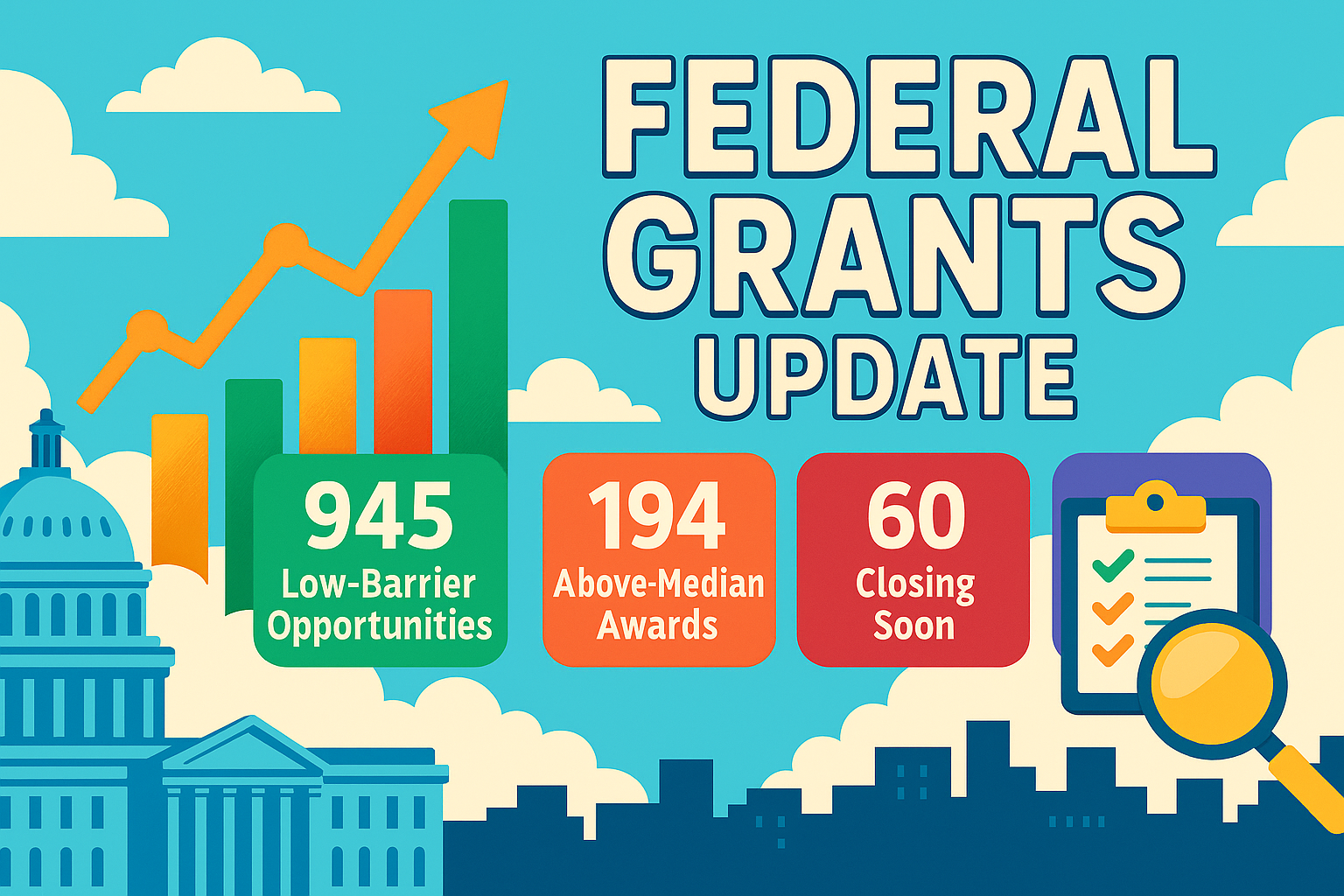
June 25, 2025 Deadline Watch: 60 Grants Close in 2 Weeks — Easy-Access Funding Dominates This Cycle
This week’s federal funding cycle includes 945 open grant programs — all classified as low-barrier, marking the most universally accessible cycle this year. 60 grants are set to close within 2 weeks, a drop from last week’s 85, but still a narrow window for high-ROI submissions. 194 programs currently exceed the median award threshold, making this cycle rich with top-dollar opportunities. While overall volume dipped slightly, program quality held steady — and urgency increased. Workforce funding remains dominant with multi-billion allocations still flowing through ETA. At the same time, agencies like NIH, NSF, OVW, and the COPS Office continue to lead on award size and velocity. This week’s report also highlights a strategic shift: top-performing applicants are prioritizing early outreach to program officers, leveraging agency engagement to accelerate reviews. For first-time applicants and under-resourced teams, the message is clear — the money is accessible, but timing and targeting are everything.
on June 25, 2025 By Asha Tara
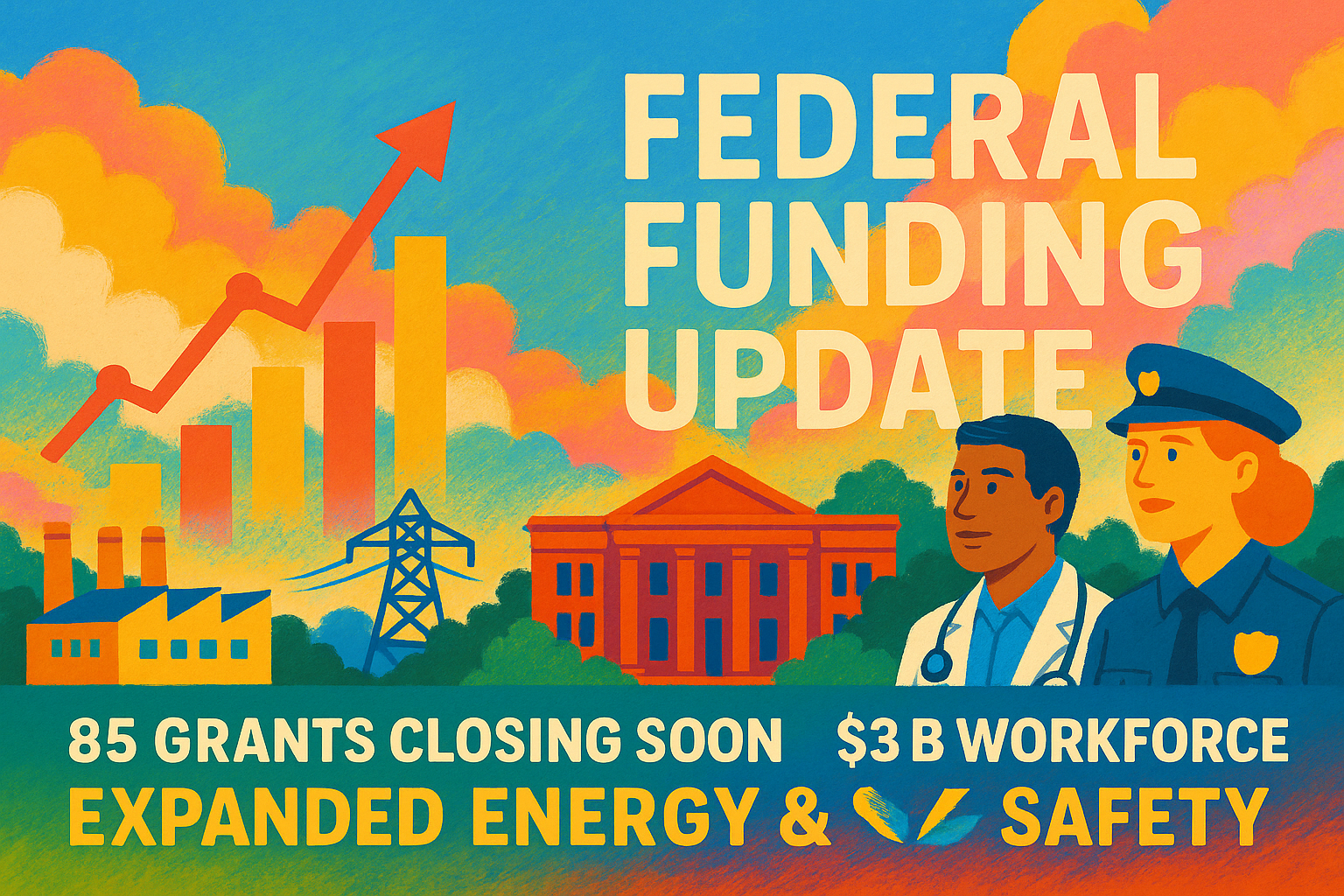
June 17, 2025 Federal Funding updates: 85 Grants Closing Soon — $1.3B for Workforce, $171M for Violence Prevention, $88M for Energy, $48M for Health
Federal funding activity has intensified this week with 959 open programs — including 85 that will close within 14 days, the largest deadline cluster seen this quarter. 199 opportunities now exceed the median award threshold, with a surge in workforce development programs pushing total active investment above $3 billion. The Department of Energy has added new funding streams for grid modernization and electric vehicle infrastructure, while the COPS Office has reopened major awards for local law enforcement. STOP VAWA grants continue to scale, with expanded eligibility now including multi-jurisdictional projects. Several NIH and NSF research programs have shifted to rolling submissions, offering faster entry points for health and education institutions. This report breaks down where the newest funding has emerged, which programs demand immediate action, and how strategic applicants can capitalize on low-barrier, high-return openings across sectors.
on June 17, 2025 By Asha Tara
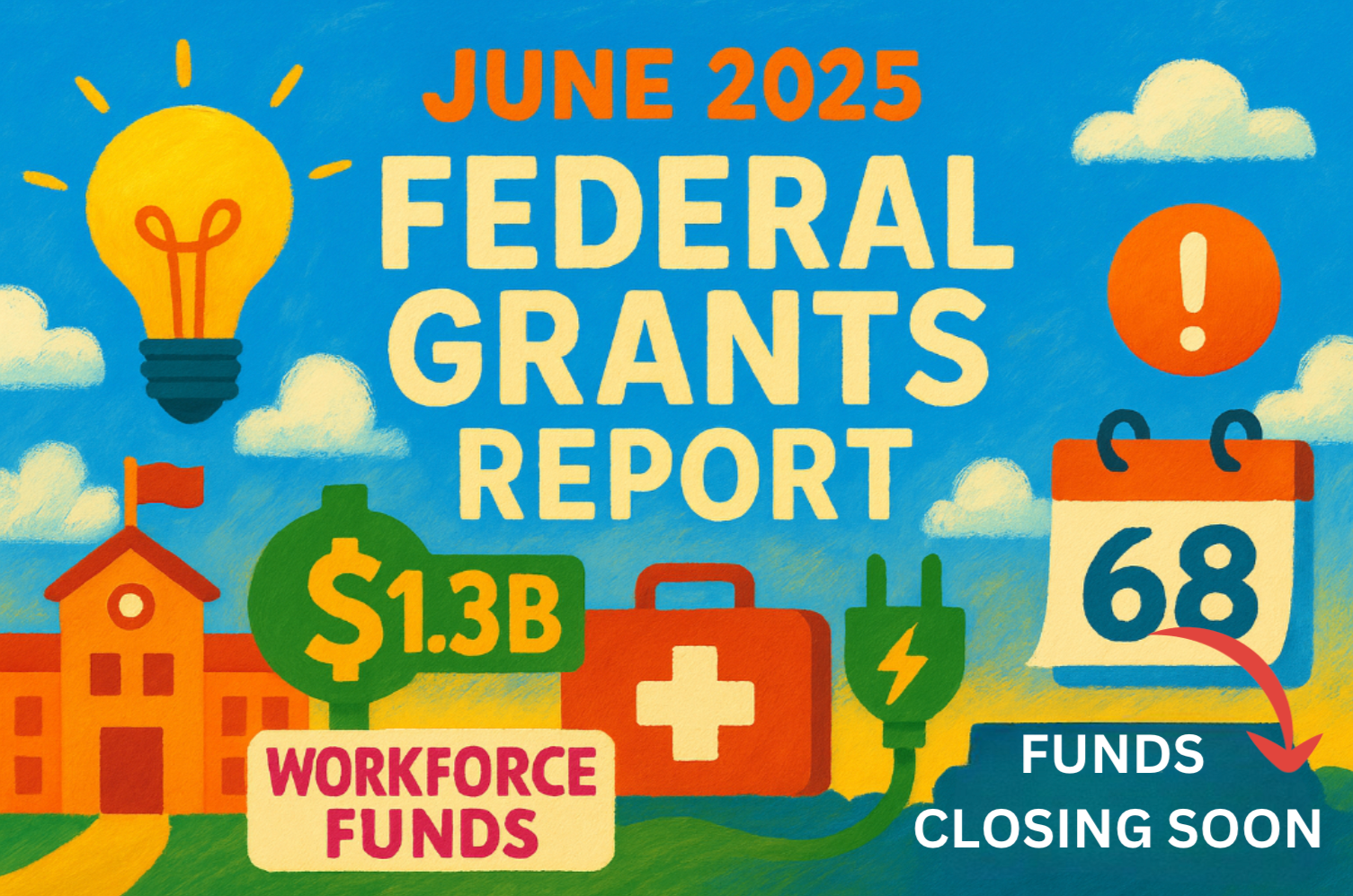
June 2025 Federal Grants: 192 High-Dollar Awards, 68 Closing Fast — Education, Health, Safety Lead the Pack
This month’s federal funding surge includes 948 active grants — and 68 of them are set to close within two weeks. With 192 grants offering above-median award sizes, this cycle is strong for both newcomers and experienced applicants. Over $1.3 billion is moving fast through workforce development, plus another $171 million dedicated to public safety and $88 million in energy innovation from the Department of Energy. A surge in STOP Violence Against Women Act (VAWA) grants from the Office on Violence Against Women reflects expanded federal support for prevention, enforcement, and survivor-focused services nationwide. Most grants this cycle are both low-barrier and high-dollar, making them especially well-suited for under-resourced teams and time-strapped organizations. With fresh recommendations for high-ROI targeting, this report helps you zero in on quick wins: which grants offer the biggest returns, which agencies are moving fastest, and how to meet critical deadlines without scrambling. Whether you're new to federal funding or scaling an existing strategy, this is your window to act with clarity — before it shuts.
on June 11, 2025 By Asha Tara
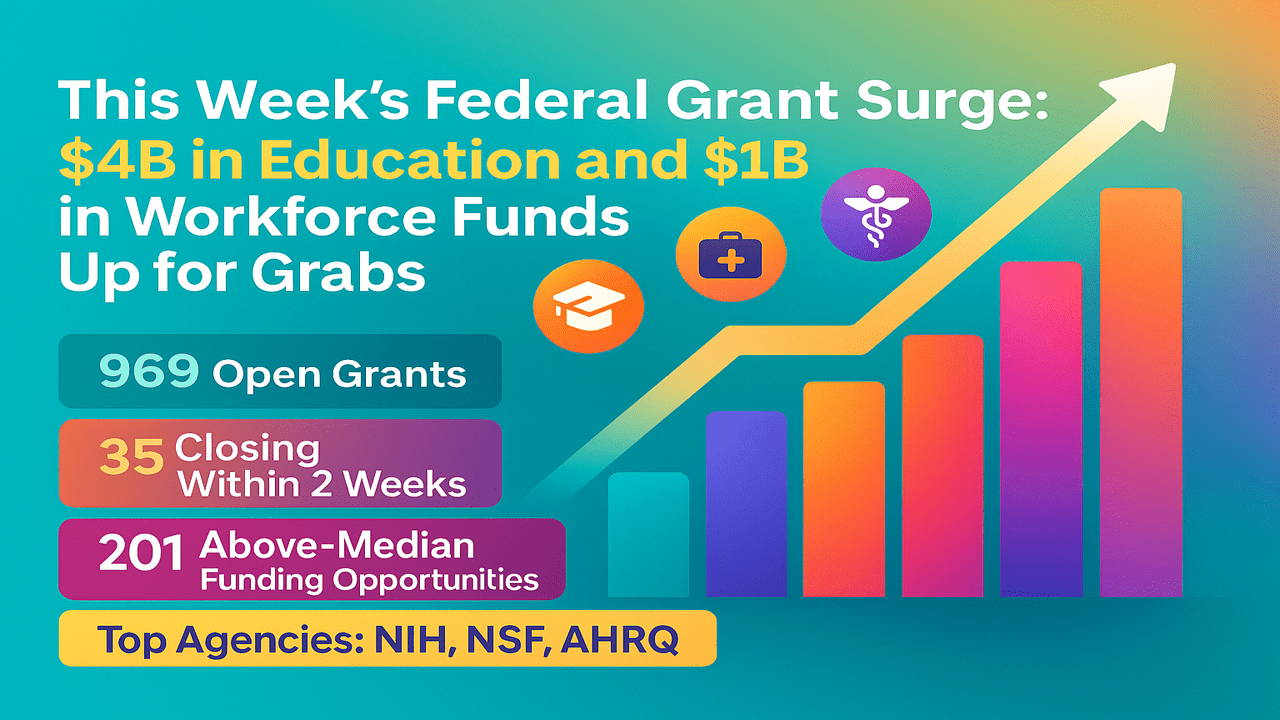
This Week’s Federal Grant Surge: $4B in Education and $1B in Workforce Funds Up for Grabs
With 969 federal grants open — and 35 set to close within two weeks — this report zeroes in on where the biggest money and the fastest access are right now. Funding momentum is shifting: the Department of Education leads with $4.3B, followed by over $1B from the Employment and Training Administration, reflecting a surge in education and workforce investments. For first-time applicants, minimal-barrier grants are plentiful, while experienced teams can target rising award ceilings across NIH, NSF, and AHRQ. Backed by prioritized recommendations, this report helps you cut through the noise and act where it matters most — before time runs out.
on May 24, 2025 By Asha Tara
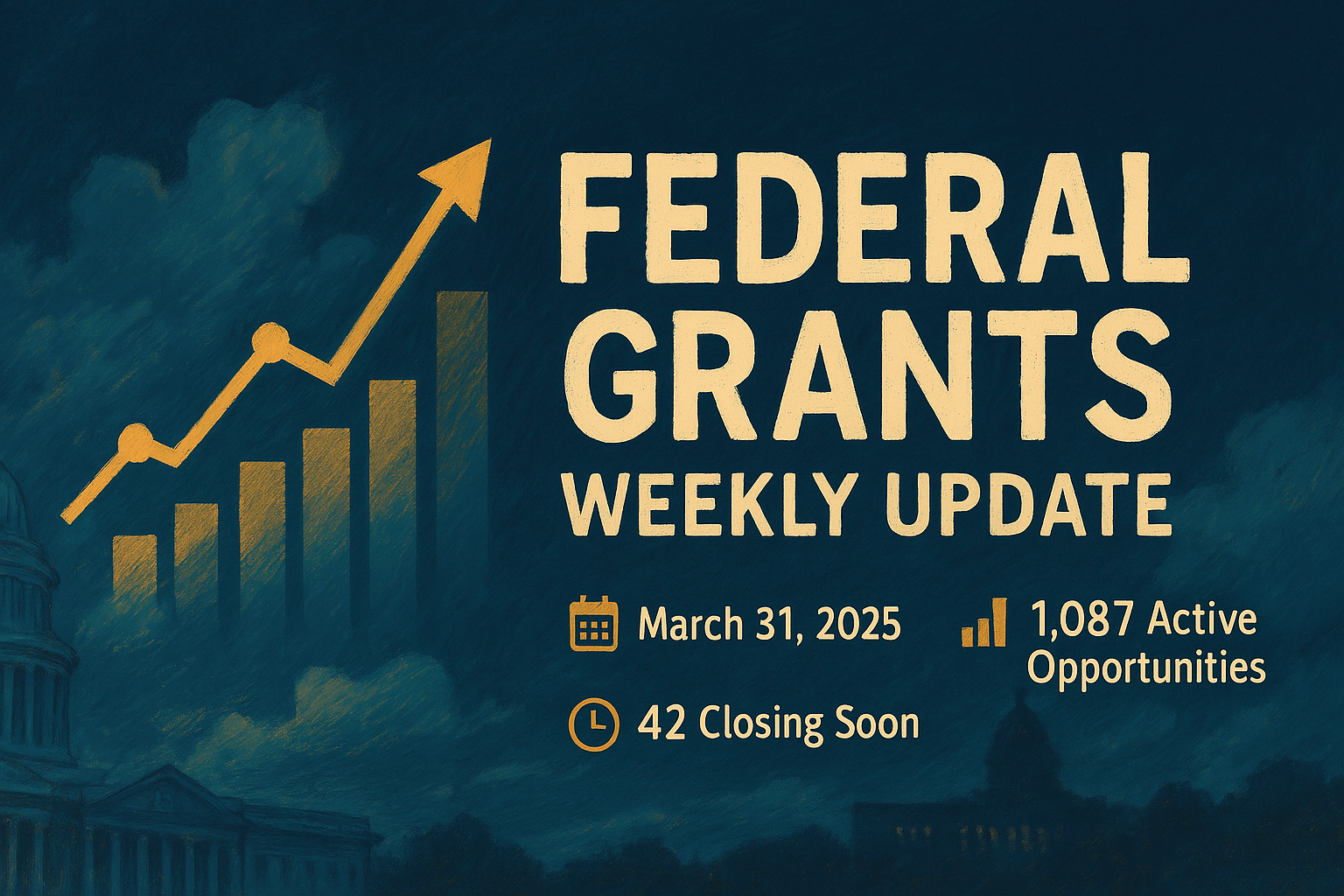
This Week in Federal Funding: Where Urgency Meets Opportunity
With 1,087 open federal grants and 42 closing within two weeks, timing is everything. Nearly 200 of these grants offer above-average funding — and most have minimal eligibility barriers, making them ideal for first-time applicants. Top activity is concentrated in agencies like NIH, NSF, and AHRQ. This report gives you a ranked, timely edge on what matters — including where award ceilings are rising and what types of grants offer the fastest access.
on March 31, 2025 By Asha Tara
Grants That Matter: A Priority Report for Immediate Action
Amid headlines about a federal grants freeze, over 1,100 opportunities are still open — and many are closing fast. This report shows which ones you can still act on, ranked by urgency, funding potential, and agency activity. See where the real movement is happening. This isn’t just a list — it’s a strategic shortcut for changemakers and grant-seekers ready to move now. New announcements aren’t the signal — action is. This report is refreshed at least weekly so you can move on what matters.
on March 22, 2025 By Asha Tara
📚 Grants101

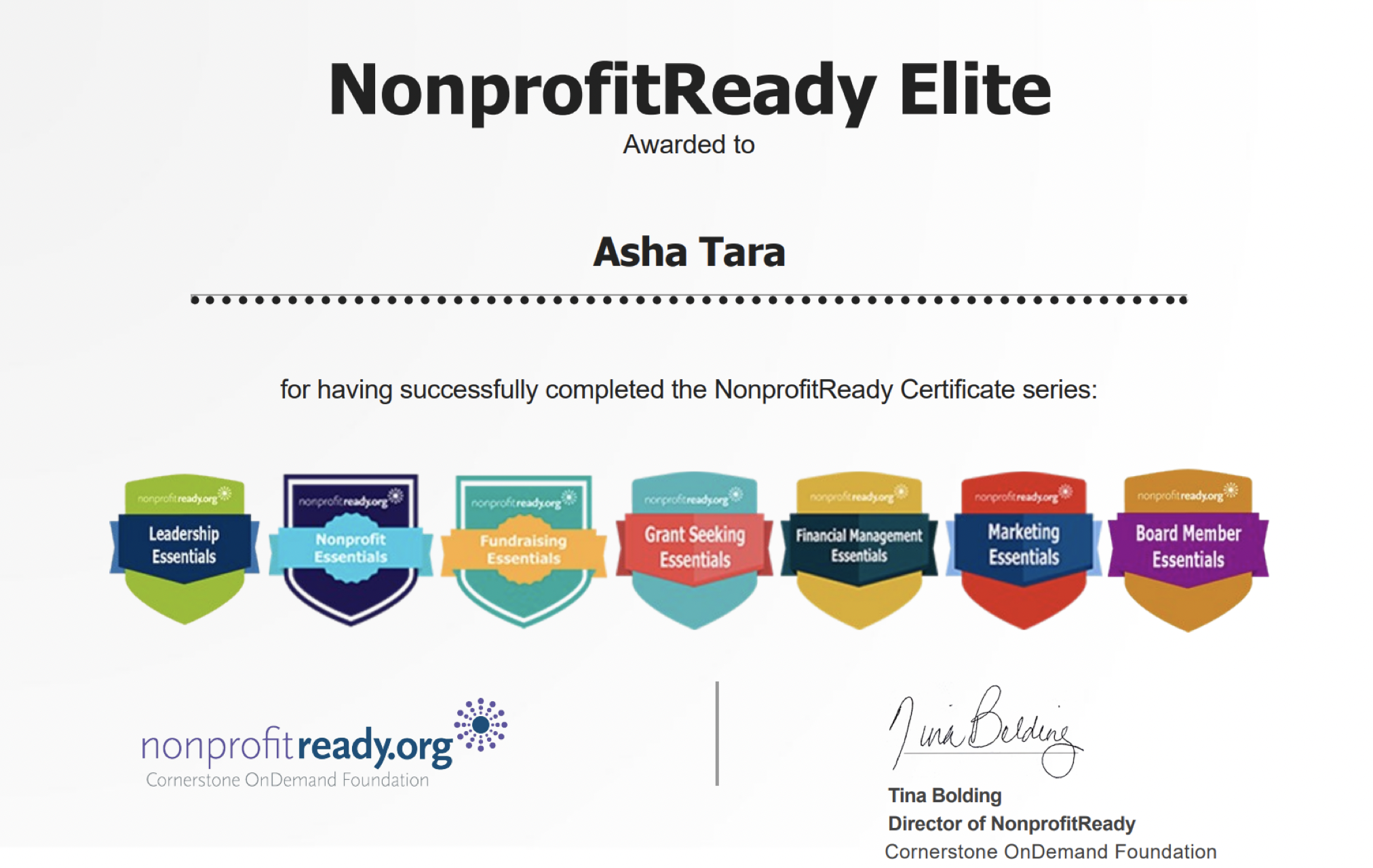
Grant Seeking Lessons from Nonprofit-Ready + How FundAI Recommend Streamlines the Grant Discovery Process
This comprehensive guide explores the evolution of nonprofit grant seeking from traditional methodologies to AI-powered federal funding discovery. Drawing from NonprofitReady's Certificate Program insights, the guide covers the complete grant seeking cycle from identification through stewardship, emphasizing grants as partnerships rather than transactions. Topics include strategic relationship cultivation with program officers, crisis response funding strategies, common application pitfalls, and advanced guidance on proposal format, scoring criteria, and long-term stewardship. The guide also demonstrates how FundAI Recommend's Grant Advisor streamlines federal grant research through automated compliance checks, personalized Q&A matching, and professional outreach email generation. This resource serves nonprofits seeking to combine proven grant seeking principles with modern technology to access the billions in federal funding available through Grants.gov.
on Aug 2, 2025 By Asha Tara
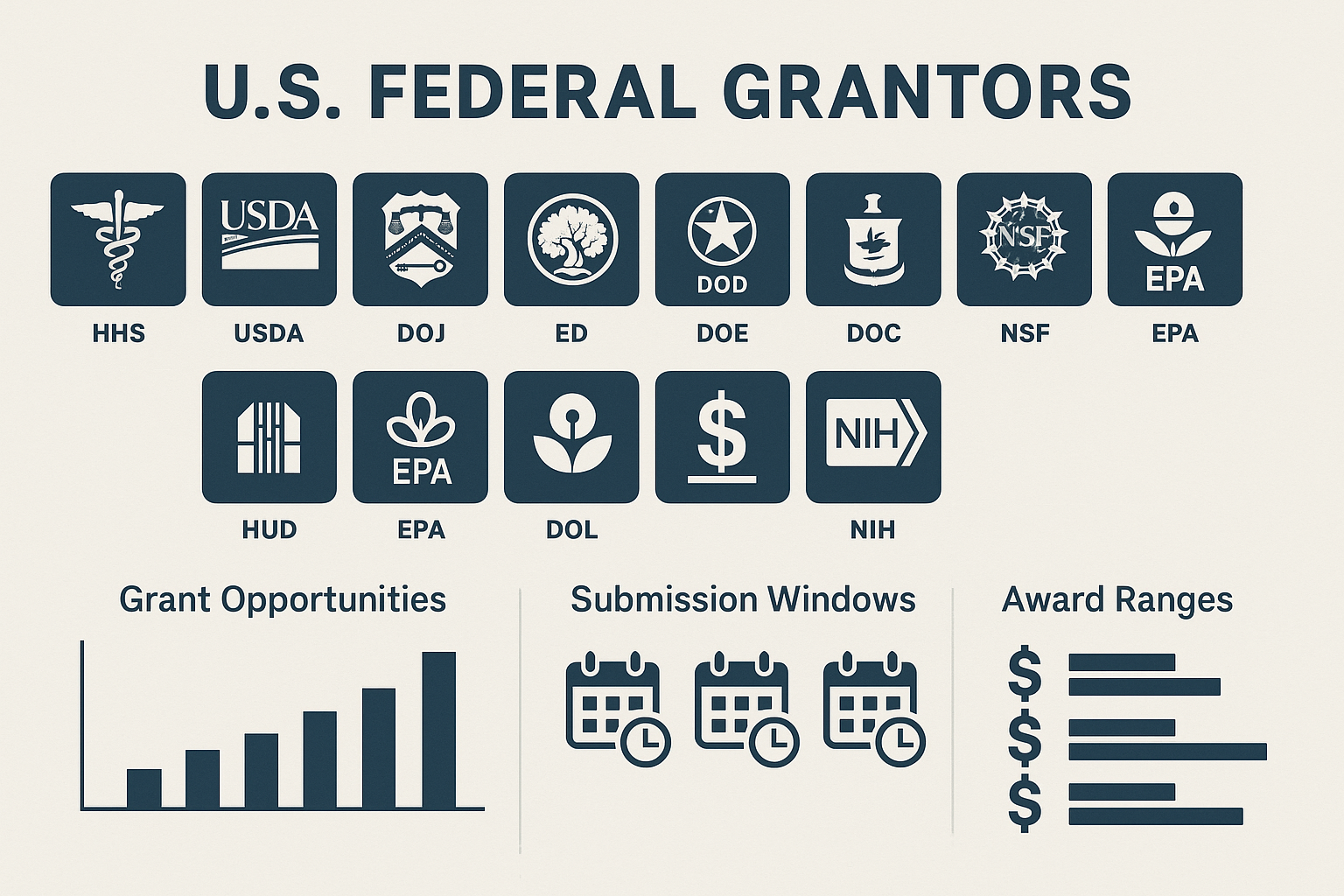
🏛 Overview of Federal Grantors: Agency Patterns and Funding Characteristics
Discover a comprehensive overview of U.S. federal grantors and their funding patterns based on data aggregated from January to October 2025. This article aggregates key data on agency activity, funding categories, award ranges, and application timelines. Learn which agencies are most active in your focus areas, understand typical funding scales, and anticipate realistic submission windows. The report provides context for recognizing patterns in funding landscapes and developing organizational awareness of how agencies structure their grant opportunities. It highlights the 283 U.S Federal agencies that offer grants and the types of programs they manage. The analysis clarifies each agency’s focus areas and funding priorities across different sectors.
on Oct 26, 2025 By Asha Tara
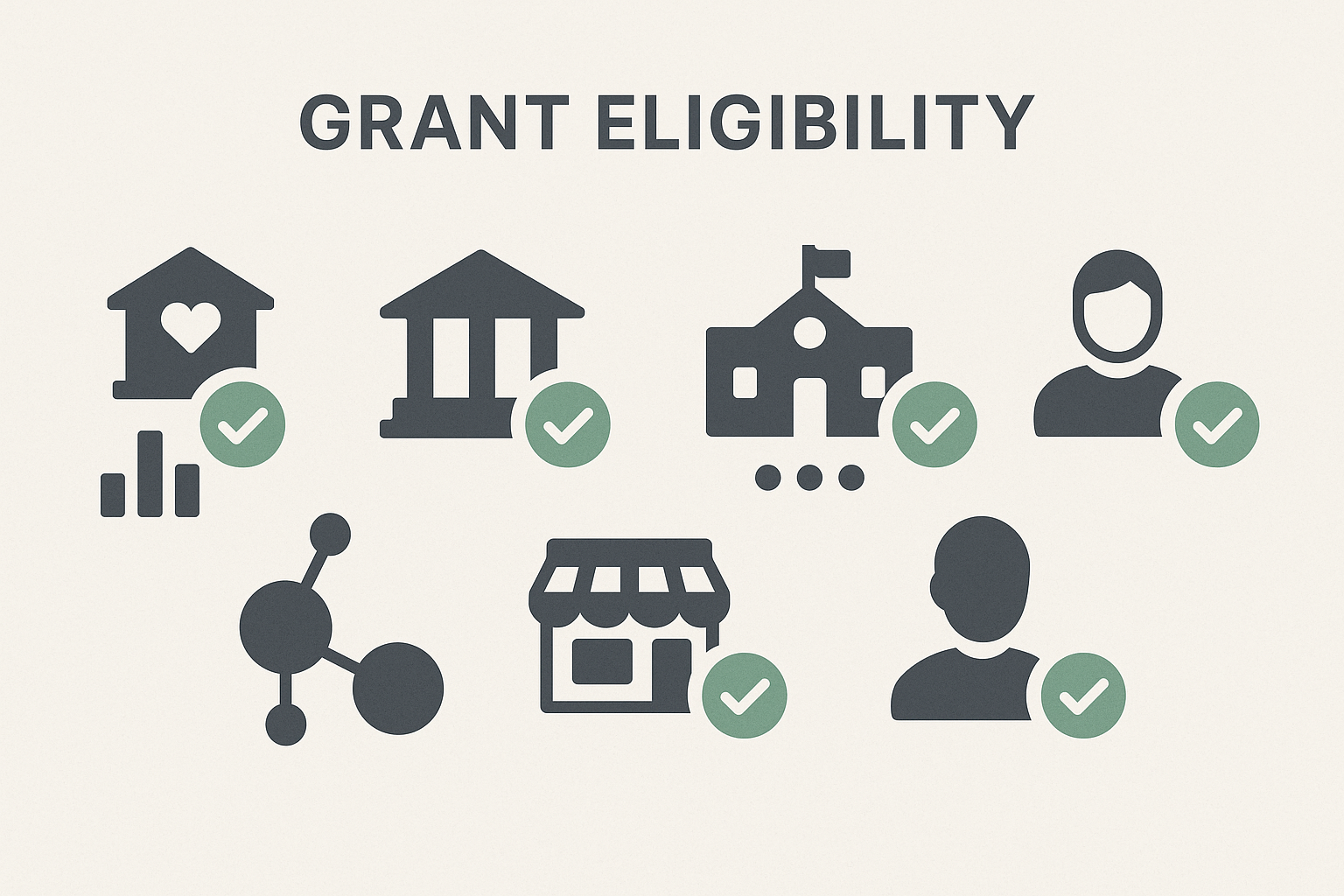
👥️ Federal Grant Eligibility and Applicant types
This article provides a comprehensive view of federal grant eligibility across 283 U.S. Federal agencies, highlighting which applicant types are most commonly eligible based on data aggregated from January and October 2025. It explains how nonprofits, educational institutions, small businesses, and local governments can verify eligibility criteria, understand program specific requirements and avoid common application pitfalls. By consolidating data on applicant types, eligibility criteria, and matching grants across agencies, the report clarifies how eligibility frameworks shape access to different types of funding and helps organizations understand how federal programs classify applicants.
on Oct 26, 2025 By Asha Tara
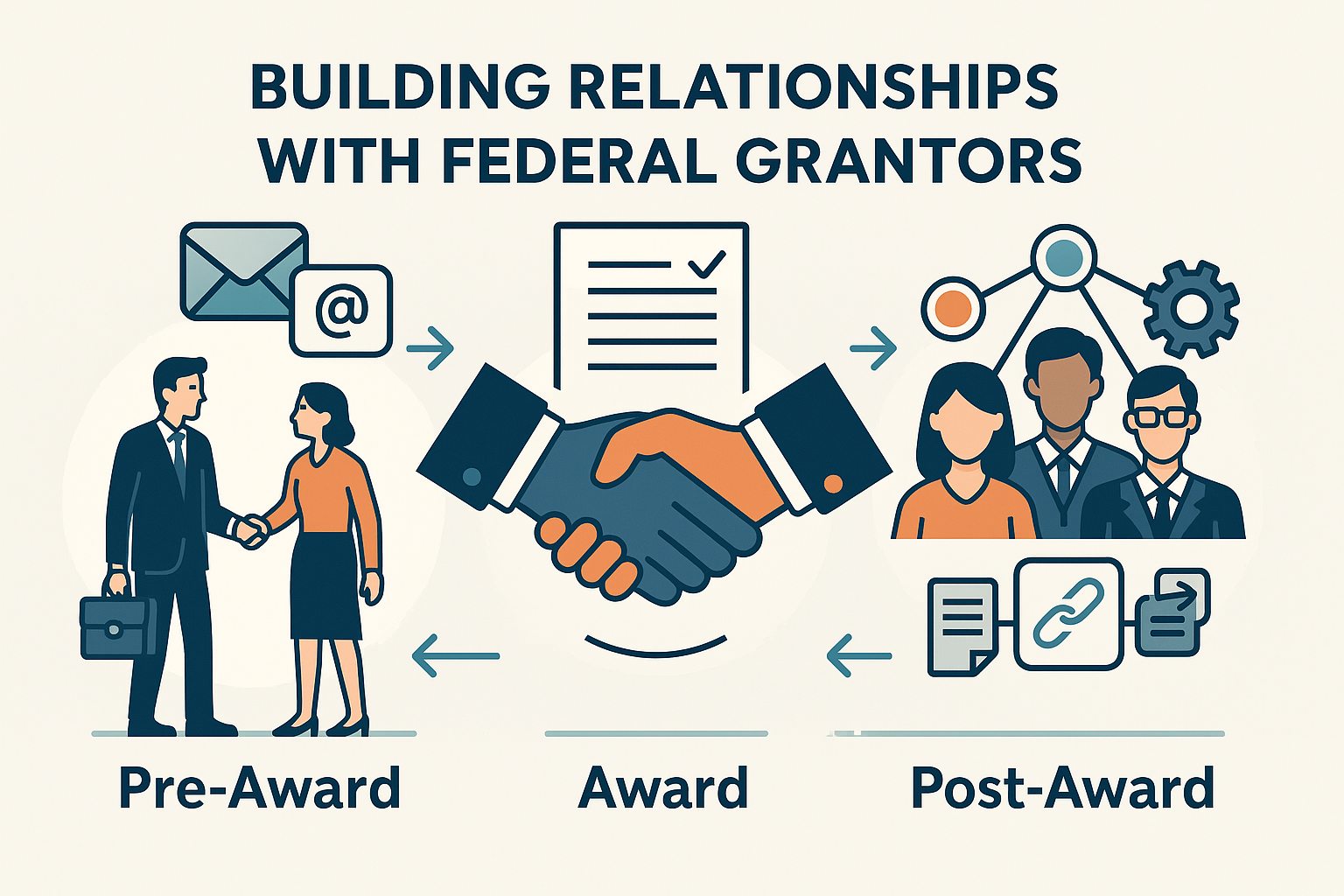
☎📧 Grantor Outreach: Building Effective Relationships Across the Grant Lifecycle
Effective grant making starts with strong, professional relationships with grantors. This article examines those relationships using contact data aggregated from 283 U.S Federal agencies between January to October 2025. This article highlights how organizations can identify, cultivate, and maintain connections with federal agencies using aggregated contact data from funding opportunities announced between January and October 2025. Learn how to leverage agency names, key contacts, emails, phone numbers, and funding categories to prioritize outreach, reduce the stress of approaching new contacts, and establish trust. With practical guidance and sample outreach templates, it equips organizations—especially those new to federal grants or with limited staff—to build lasting partnerships that increase alignment, confidence, and funding success.
on Oct 26, 2025 By Asha Tara
🤖✍ AI for Grant Writing: How to Use Prompt Engineering to Build Strong Grant Proposals
This article examines how artificial intelligence is reshaping the grant writing process and introduces a structured approach to building clear, fundable proposals. It explains how prompt engineering can turn research into well-organized content through discipline, iteration, and control. Rather than treating AI as a shortcut, the method positions it as an assistant within a defined workflow, ensuring each section remains grounded in real research and aligned with funding goals. A detailed case study based on a National Endowment for the Humanities (NEH) grant demonstrates how prompts, when designed correctly, with precise inputs can produce high-quality drafts that meet strict federal requirements. It provides a practical framework for nonprofit professionals, independent researchers, and first-time applicants to improve clarity, reduce effort, and ensure alignment with funding expectations.
on Apr 22, 2026 By Asha Tara
📝 Grant Proposals
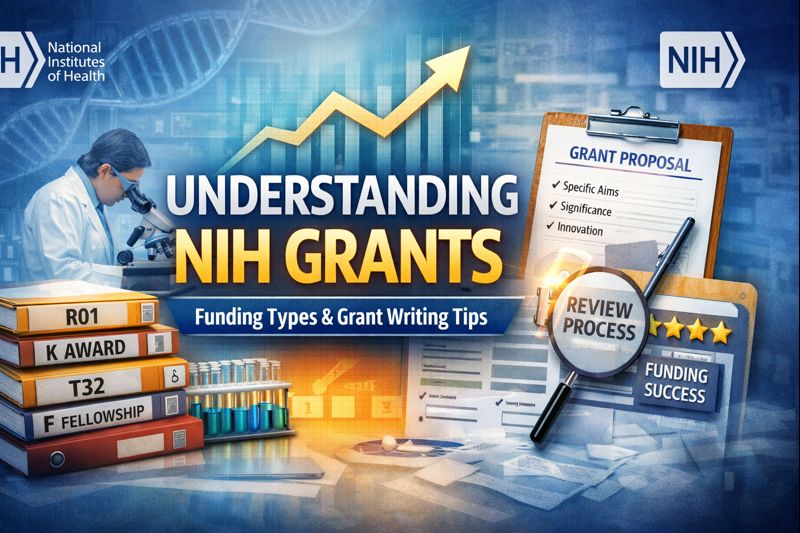
Jan 26, 2026: National Institutes of Health - Part 1. Grant Writing Tips for Applications
The National Institutes of Health offers more funding opportunities than any other U.S. federal agency, and understanding how those grants are organized is the first step toward applying effectively. This article introduces NIH grant types, who can apply, and what makes a strong application. Learn the major NIH grant categories and what each one is designed to support. Discover NIH's official grant-writing rules and see how those rules appear in real application sections. Clear examples illustrate how NIH frames abstracts, aims, significance, and training plans. Whether you are new to NIH grants or need a clear refresher, this article provides a practical starting point. This is the first article in a series that builds toward preparing NIH grant proposals.
on Jan 26, 2026 (Updated: Feb 4, 2026) By Asha Tara
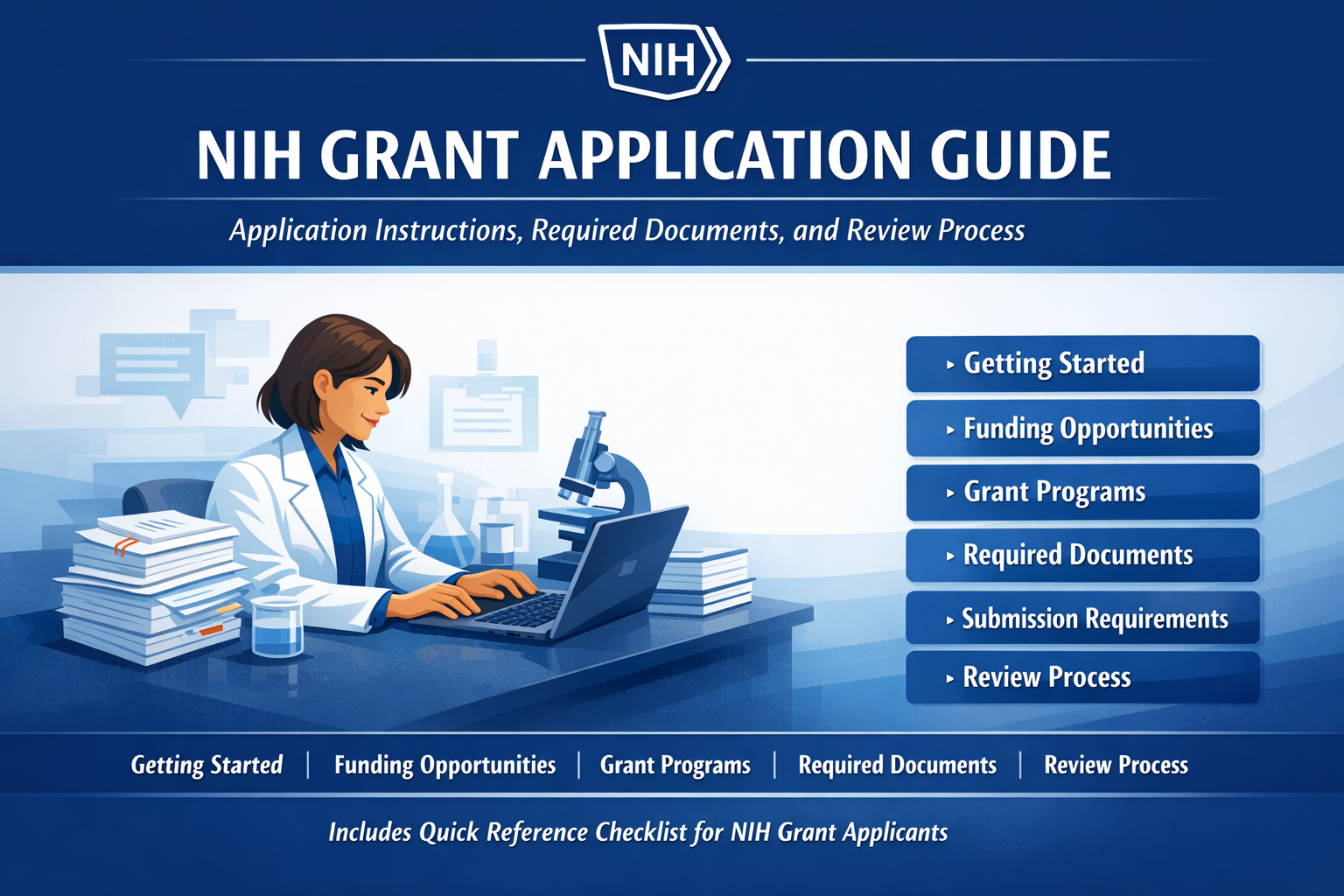
Feb 24, 2026: National Institutes of Health - Part 2. Instructions, Forms, and Administrative Compliance for Grant Applications
A complete guide to the NIH grant application process. This resource walks researchers through every step of applying for NIH funding, from registration and choosing the correct grant program to understanding submission requirements and navigating peer review. Covers all major grant types. Includes comprehensive tables of required documents for each grant type, mandatory formatting specifications, standard review cycles, and the two-tier review process. Explains funding opportunity types, registration requirements, page limits, and common application pitfalls. Features a downloadable timeline checklist covering tasks from 4-6 weeks before submission through post-submission actions. Based on official NIH FORMS-I instructions effective January 2025.
on Feb 24, 2026 By Asha Tara
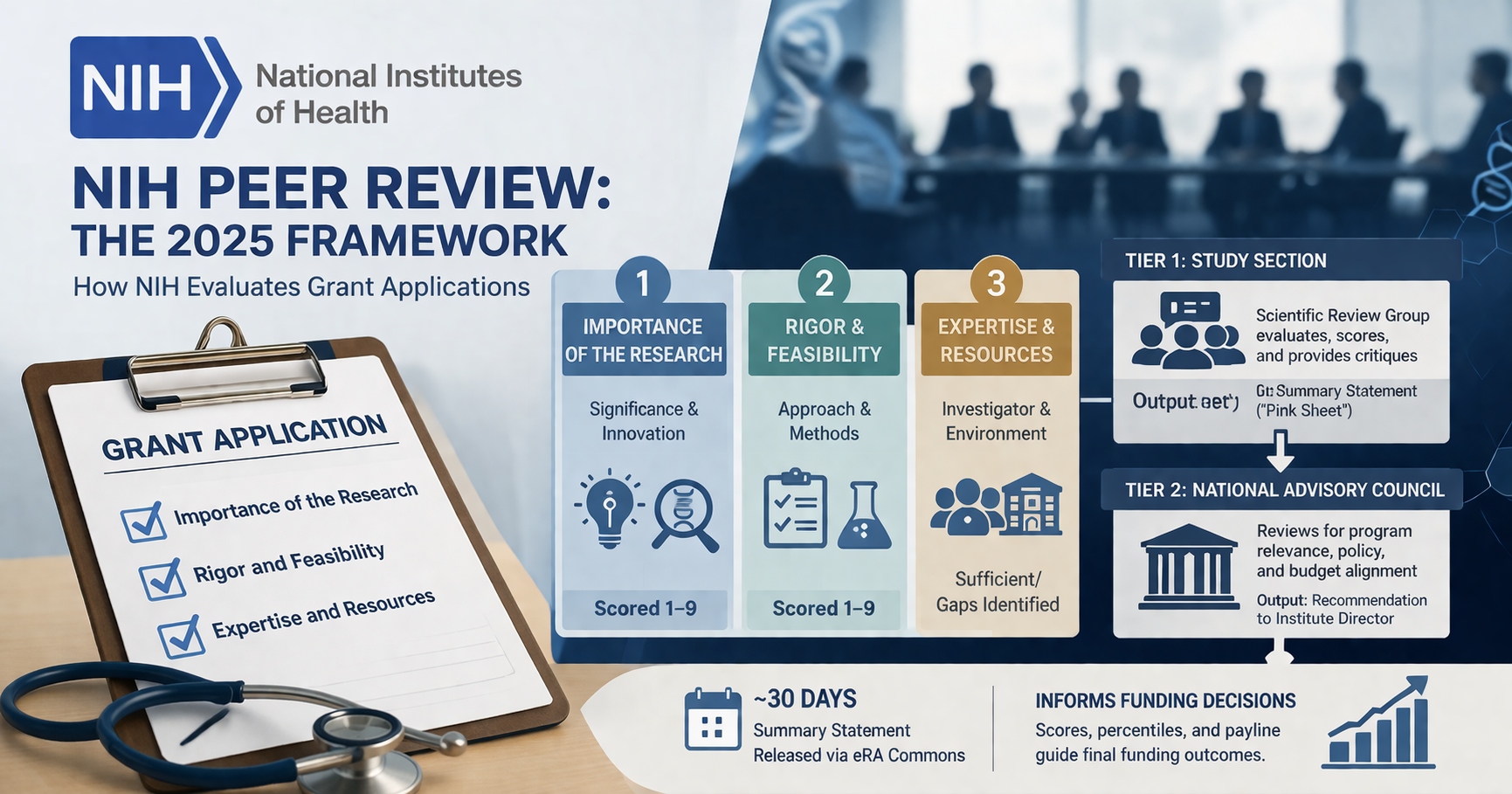
Apr 8, 2026: National Institutes of Health - Part 3. Peer Review Process and the 2025 Scoring Framework for Grant Applications
This article explains how the NIH evaluates grant applications after submission, detailing the updated 2025 two-tier peer review framework. It defines the three new factors for assessing grant proposals and their scoring scale. It breaks down what happens inside study sections, how applications are ranked, what “Not Discussed” means, and how to interpret the Summary Statement and scores that ultimately influence funding outcomes. Information includes specific timelines for releasing the Summary Statement in eRA Commons. The guide clarifies the difference between the SRO’s technical oversight and the Program Officer’s administrative role. After peer review, funding decisions depend not only on scores but also on institute-specific paylines, budget constraints, and programmatic priorities. The steps are mapped against policy NOT-OD-24-010 to ensure compliance for the current grant cycle.
on Apr 8, 2026 By Asha Tara
📄 AI for Good: From White-papers to Real-World Applications

Human-Centered AI: Designing Systems People Trust, Notes from the Stanford HAI Webinar
Human-Centered AI is a design and research philosophy focused on building AI systems around human needs, ethics, and social impact. This article covers a Stanford HAI webinar led by Professor James Landay and Vanessa Parli, exploring what it takes for AI systems to earn public trust across cultures and communities. It examines why cultural bias in training data is a fundamental challenge, how public confidence in AI varies significantly across countries and income levels, and what the emergence of Sovereign AI means for nations thinking about who controls their AI infrastructure.
on Feb 18, 2026 By Asha Tara

Creative Assets and Visuals for Nonprofits: How Image Generative Models Help and Their Limitations
🚀 Nonprofits, unlock AI-powered creativity! Generative AI is revolutionizing visual content, from social media to donor reports. Tools like DALL-E and MidJourney streamline design but come with challenges. 🎨 Learn how to refine AI visuals, tackle text inaccuracies, and maximize impact—whether you're a small team or a global organization. ✨ Get inspired, get practical, and elevate your nonprofit’s visuals today! 📖
on Dec 10, 2024 By Asha Tara
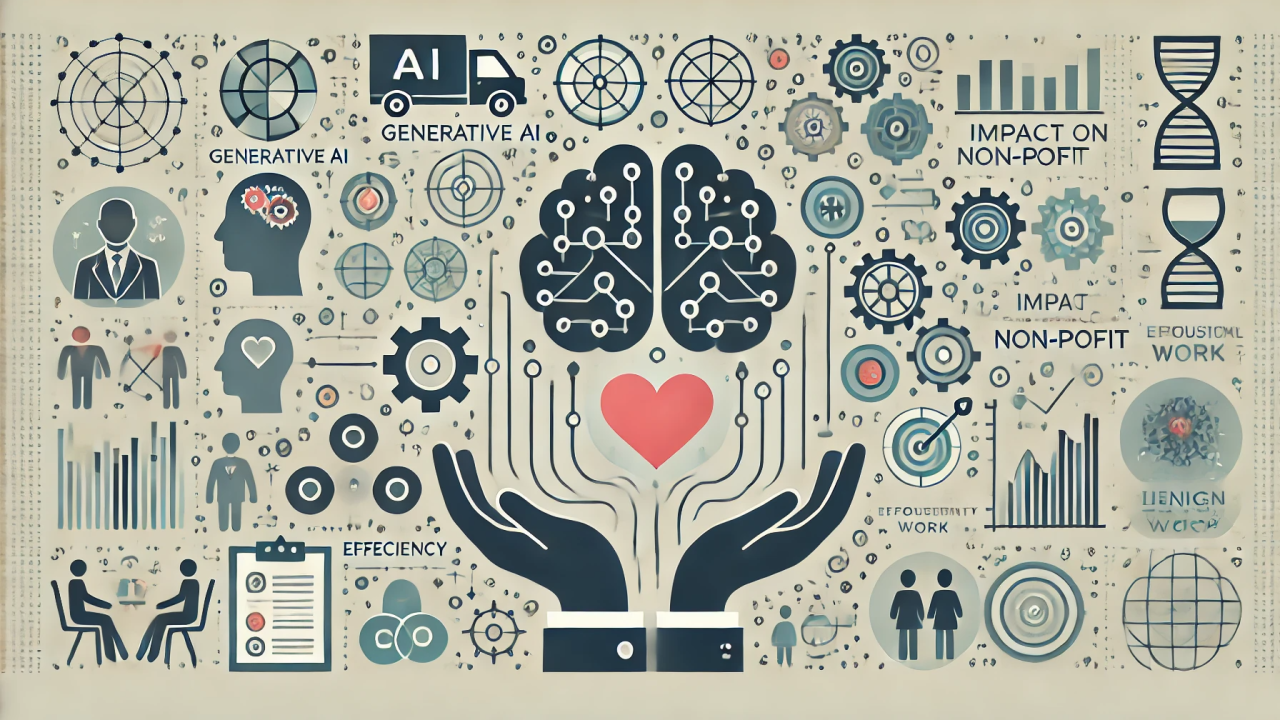
How GenAI & Prompt Engineering with 'Attention' Can Benefit Non-Profit Work
What if you could do more with less? Unlock the secret to boosting your nonprofit’s efficiency with GenAI! From saving time on grant writing to creating personalized thank-you messages, discover how the power of 'attention' can help you work smarter, not harder. Ready to make a real impact? Let’s dive in!
on Dec 08, 2024 By Asha Tara
📰 Opinions and Critical Reflections on Emerging Topics
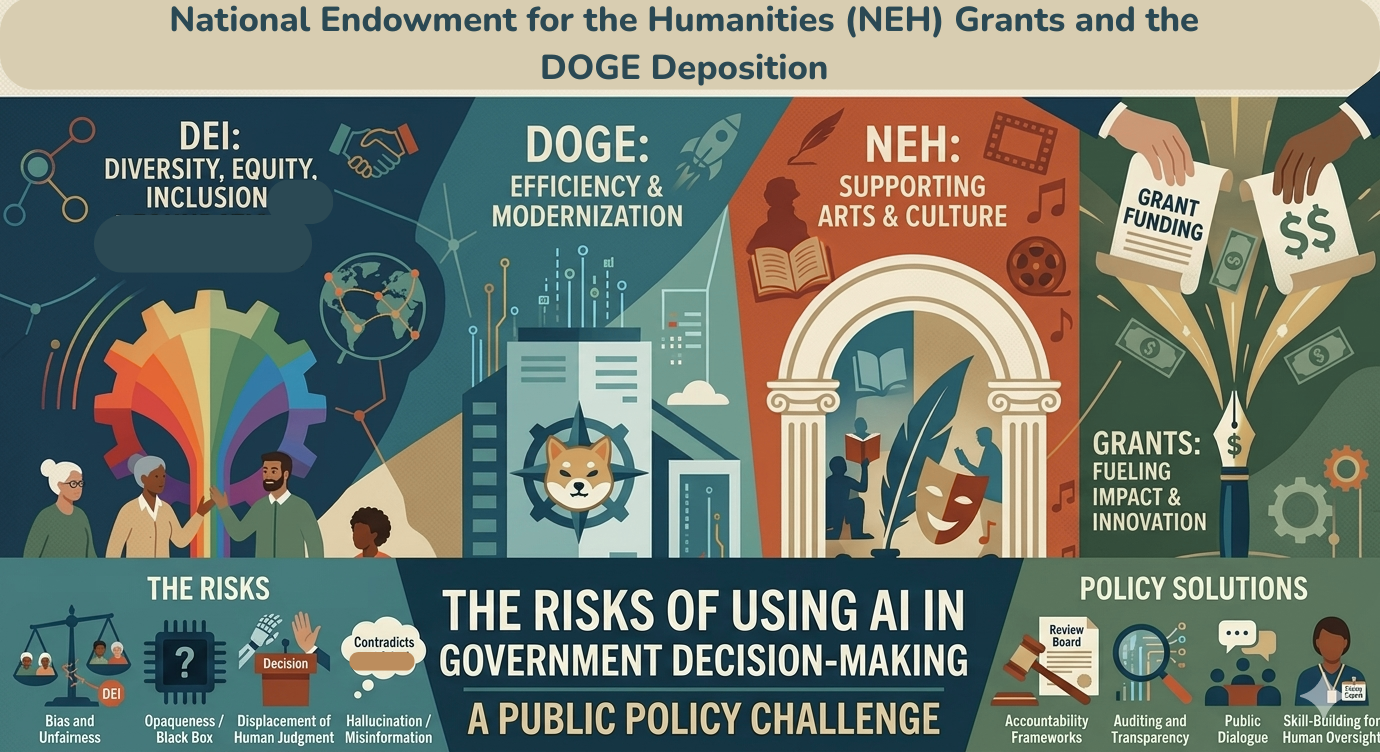
The DOGE Deposition: How ChatGPT Was Used to Cancel $100 Million in NEH Research Grants Using DEI Keyword Identification
This report examines how the Department of Government Efficiency (DOGE) reviewed and cancelled over $100 million in National Endowment for the Humanities (NEH) grants using a keyword-based screening approach supported by ChatGPT. Drawing on deposition records, the analysis outlines how grant decisions were made, what criteria were applied, and the legal challenges that followed. It also evaluates current NEH grant opportunities using the same keyword methodology to identify DEI signals in the opportunity details.
on Apr 1, 2026 By Asha Tara
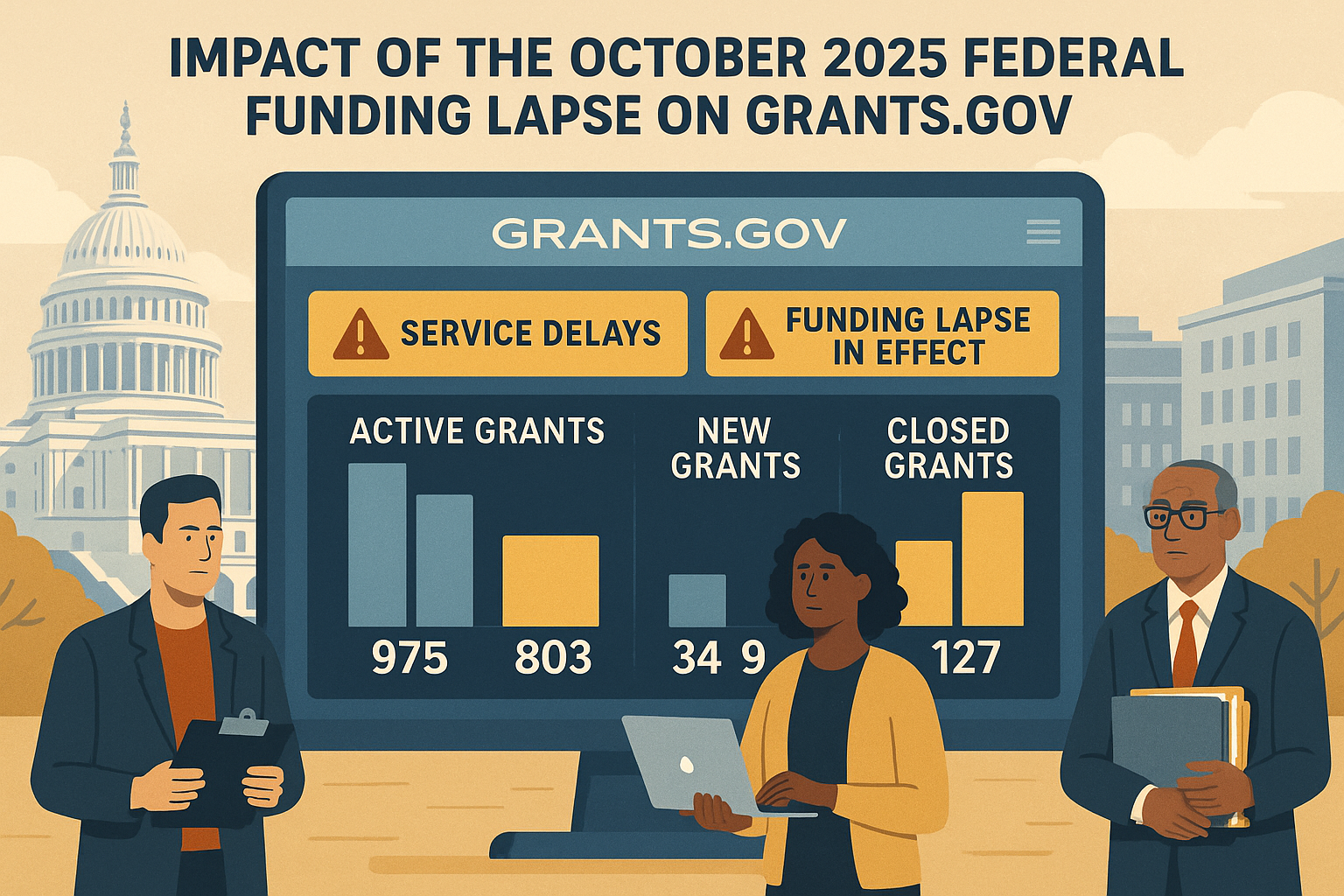
🏛 Impact of the October 2025 Federal Funding Lapse on Grants.gov
This article examines the October 2025 federal funding lapse — defining what an appropriations lapse means and how it disrupted the federal grantmaking system. When spending authority expired, agencies slowed operations and halted reviews, triggering measurable declines in active opportunities and new postings. Drawing on Grants.gov data from September through November, the analysis exposes how even a brief lapse in funding authority can stall the nation’s grant pipeline and weaken the infrastructure that sustains public programs
on Nov 6, 2025 By Asha Tara

The Ethics of Serving a Necessary Evil: Survival or Betrayal?
A Dilemma for the marginalized: Many from underprivileged backgrounds face an impossible choice: work within a corrupt system or risk everything by resisting it. While some call it survival, others see it as betrayal. This article explores the moral and practical struggles of navigating a world where power and privilege dictate who thrives and who suffers.
on March 19, 2025 By Asha Tara

A Political Disaster: The Human Cost of Freezing Federal Nonprofit Funding
The federal grant freeze is disrupting nonprofits, putting essential services like food security, housing, and healthcare at risk. With legal challenges unfolding and funding uncertainty growing, nonprofit leaders must act quickly to sustain operations and advocate for change. Here’s what’s happening and what steps to take next.
on Jan 28, 2025 By Asha Tara
The FundAI Recommend Story
The mission is simple: make finding grants effortless with a free, user-friendly platform that’s ad-free and requires no sign-up.
Unlock Tailored Grant Opportunities
FundAI Recommend was created to help nonprofits, research institutions, small businesses, and individuals quickly find funding that aligns with their goals. Every year, billions in federal grants go unclaimed while organizations struggle to navigate the complex funding landscape. The federal grant landscape can be overwhelming — FundAI Recommend cuts through the noise, delivering relevant opportunities from grants.gov
At the heart of the experience is a grant recommender — a 24/7 intelligent advisor that scans grants.gov weekly and delivers personalized matches in a streamlined, conversational flow that's free for users.
Through five simple questions, the grant advisor gathers key details: organization type, project focus, funding needs, timeline, and geographic scope. Based on those inputs, the advisor searches all open federal grants to identify the strongest matches, weighing eligibility, award size, timing, and agency criteria. Each result includes a match score and a clear explanation of fit, along with thoughtful alternatives when perfect matches aren’t available.
The grant advisor doesn’t stop at recommendations — it provides follow-up support with contact information, required documents, application guidance, and deadline tracking, helping applicants move forward with clarity and confidence. Funding discovery is made accessible for organizations of any size to find the resources you need.
Organizations ready to compete at a higher level can unlock compliance checks, grant readiness reviews, more precise funding matches, and grant writing support — premium services designed to ensure you don't miss key opportunities. Please reach out through the contact form or schedule a call directly via Calendly to get started.
Passionate about funding, designed to make discovery fast, useful, and enjoyable. With FundAI Recommend, securing the right funding becomes empowering and rewarding. Start your grant search today and make your mission a reality with the funding it deserves.
Contact
Have a question or need assistance? Fill out the form below or reserve a time on the calendar for a meeting.
Prefer to meet? Reserve time on the calendar:
Book a Meeting